How Rainy July Weather Affects Your Dog or Cat’s Health


How Rainy July Weather Affects Your Dog or Cat’s Health
When July arrives in Teaneck, the weather often brings a mix of heat, humidity, and sudden rainstorms. While these summer showers can be a welcome relief from the heat, they also create unique challenges for your dog or cat’s health. At Bergen Veterinary Hospital, located at 1154 Teaneck Rd, Teaneck, NJ 07666, we understand how the local climate affects your four-legged family members. Rainy days can mean more than muddy paws; they can increase the risk of skin infections, trigger ear problems, and even lead to boredom or anxiety in pets who spend more time indoors. In this blog, our veterinary team will explore the hidden risks that come with July showers, help you recognize the early signs of trouble, and offer expert advice on keeping your dog or cat comfortable, healthy, and happily engaged all summer long. Whether you’re a long-time resident of Teaneck or live in one of the surrounding communities, you’ll find practical tips and trusted guidance to support your pet’s wellbeing. If you’re ever unsure about your pet’s health during this wet season, remember that you can always schedule an appointment with our compassionate veterinarians.
Recognizing the Signs: How Rainy Weather Can Affect Your Pet
While a rainy July afternoon might seem like just another cozy day inside, it can set the stage for several health issues in dogs and cats. Pet owners often notice changes in their animal’s behavior or appearance during periods of increased moisture and humidity. Common symptoms that may indicate your pet is struggling with the effects of summer rain include itchy or red skin, persistent scratching or licking, foul odors from the ears or skin, and visible rashes or hot spots. In dogs, you might also notice limping or discomfort after walks, especially if paws remain damp. Cats may become less active, avoid grooming, or seem unusually irritable. Additionally, rainy weather can lead to a lack of exercise and mental stimulation, which sometimes results in weight gain, destructive behavior, or signs of anxiety such as vocalizing or hiding. If you spot any of these warning signs, it’s important to pay attention and consider whether the recent weather could be a contributing factor.
Why Do Rainy July Days Trigger Health Concerns in Dogs and Cats?
Understanding the underlying causes behind these symptoms can help you protect your pet. The combination of warmth, humidity, and frequent rain creates the ideal environment for bacteria and yeast to thrive. Moisture trapped in your dog’s paws, between skin folds, or inside your cat’s ears provides a breeding ground for infections. Dogs with floppy ears or thick coats are especially susceptible to ear infections and skin problems during this season. Cats, particularly long-haired breeds, may develop matted fur and skin irritation if their coats stay damp. Rain also means more mud and allergens are tracked indoors; if your pet has allergies, July’s weather can worsen symptoms like itching, hot spots, and recurrent ear problems. Boredom is another concern, as pets who are stuck inside due to heavy rain get less exercise and social interaction. This can lead to changes in appetite, unwanted behavior, or even mild depression. Knowing why these issues arise during wet weather empowers you to take proactive steps to keep your pet comfortable.
Skin Infections and Hot Spots
Skin infections, often called "hot spots," are a frequent summertime problem. These inflamed, moist areas develop quickly on your pet’s skin, often after exposure to rain or humidity. Dogs who swim, walk in wet grass, or get caught in a downpour are especially at risk. Hot spots can appear as red, oozing, or scabbed patches that seem to bother your dog or cat. The urge to lick or scratch makes the problem worse, sometimes leading to a cycle of self-trauma and further infection.
Ear Infections
Ear infections are another common rainy season issue, especially for dogs with floppy or hairy ears. Moisture that remains inside the ear canal creates a perfect environment for bacteria and yeast. Signs of an ear infection include head shaking, scratching at the ears, a strong odor, or discharge. Cats can also develop ear infections if their ears become damp or if allergens are more prevalent indoors.
Boredom, Anxiety, and Indoor Stress
Boredom and anxiety are often overlooked but can have a real impact on your pet’s health. Dogs and cats who are used to outdoor play may become restless or anxious when rain limits their activity. This can lead to behaviors like excessive grooming, chewing, or vocalizing. Over time, lack of exercise and mental stimulation can contribute to weight gain or even chronic stress.
Professional Treatment and Management for Rain-Related Health Issues
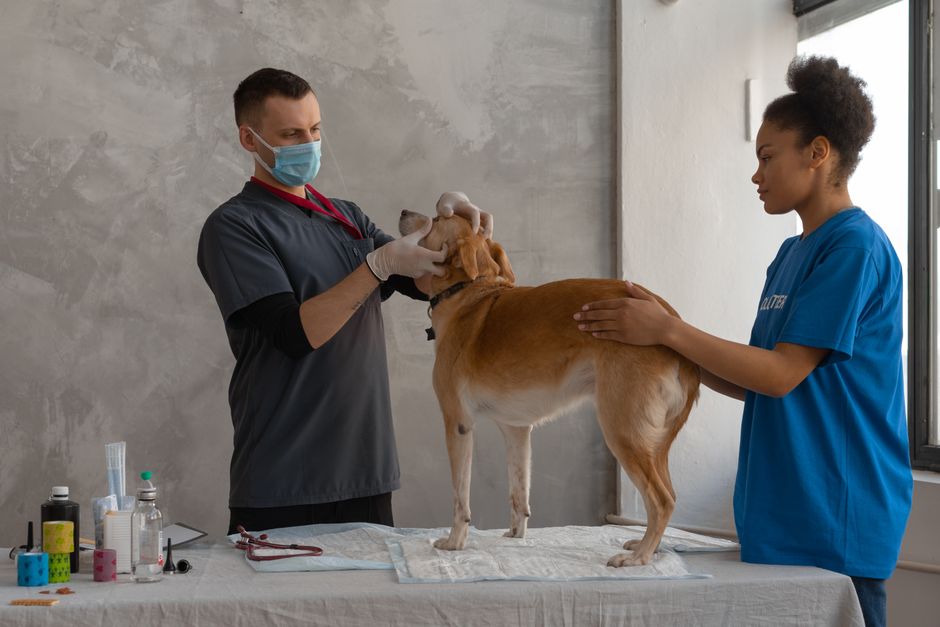
If your pet shows signs of skin or ear problems during July’s rainy weather, timely intervention is key. At Bergen Veterinary Hospital, our veterinarians start with a thorough examination to identify the underlying cause of your pet’s symptoms. For skin infections or hot spots, treatment often involves gentle cleaning of the affected area, prescription topical or oral medications to control infection, and strategies to prevent further self-trauma. We may recommend specialized shampoos or medicated wipes to help soothe inflamed skin and promote healing. When ear infections are present, our team uses diagnostic tools to determine whether bacteria, yeast, or both are involved. Ear cleaning, medication, and follow-up care are tailored to your pet’s specific needs, ensuring a safe and comfortable recovery. You can find more about our approach to skin and ear health by visiting our dermatology services page.
For pets struggling with allergies that flare up during the rainy season, we provide allergy testing services to help identify triggers and develop a personalized management plan. This may include dietary recommendations, medication, or environmental adjustments to keep your pet comfortable. When behavioral changes are the main concern, our veterinarians can suggest ways to enrich your dog or cat’s indoor environment, address anxiety, and maintain a healthy weight through nutrition and exercise. In all cases, our team works closely with you to ensure your pet receives compassionate, individualized care.
Preventing Health Problems During Rainy July Weather
While some summer health issues are unavoidable, there are many practical steps you can take at home to minimize your pet’s risk. After outdoor walks or play sessions, be sure to dry your dog’s paws and coat thoroughly, paying special attention to the areas between the toes and under the belly. For cats who venture outdoors, a quick towel-off can help prevent dampness from lingering in their fur. Regular brushing helps remove loose hair and prevents mats, which can trap moisture against the skin. Consider scheduling a wellness examination to catch early signs of skin or ear issues, especially if your pet has had problems in the past.
Indoor enrichment is equally important during rainy spells. Rotate your pet’s toys, create new play routines, or set up puzzle feeders to keep their minds engaged. Short, supervised indoor games like hide-and-seek or fetch can help burn off energy and reduce anxiety. For pets with allergies, frequent cleaning of bedding and vacuuming can help control indoor allergens that become more concentrated when windows stay closed. Always monitor your pet for changes in behavior, appetite, or appearance, and don’t hesitate to reach out to our veterinary team if you have concerns.
When to Schedule a Veterinary Visit
Some symptoms require prompt professional attention, especially if your dog or cat is uncomfortable or not improving with home care. Contact Bergen Veterinary Hospital if you notice persistent scratching, hair loss, foul odors, open sores, or changes in your pet’s appetite or mood that last longer than a day or two. Ear infections can progress quickly, so seek care if your pet is shaking their head, scratching at their ears, or if you see any discharge. In rare cases, severe skin infections or allergic reactions can cause swelling, fever, or lethargy; these situations warrant immediate veterinary attention. If you ever feel uncertain about your pet’s health during the rainy season, our veterinary professionals are here to provide guidance, reassurance, and expert care.
Supporting Your Pet’s Health All Summer Long
July’s rainy weather in Teaneck does not have to put a damper on your pet’s wellbeing. By staying alert to the signs of skin and ear problems, addressing boredom with creative indoor activities, and maintaining regular preventive care, you can help your dog or cat thrive—rain or shine. At Bergen Veterinary Hospital, our team of veterinarians is dedicated to supporting you and your pet through all of summer’s challenges. If you are searching for a "vet near me" who understands the unique needs of pets in Teaneck and surrounding communities, look no further than our team.
To schedule an appointment or discuss concerns about your pet’s health, call us at (201) 837-3470 or visit our practice at 1154 Teaneck Rd, Teaneck, NJ 07666. We encourage you to explore our dermatology services, allergy testing, or book a wellness examination to keep your pet healthy all year long. Your pet’s comfort and happiness are always our top priority, no matter what the July weather brings.