August Rain and Your Pet: Preventing Fungal and Bacterial Infections

August Rain and Your Pet: Preventing Fungal and Bacterial Infections
August in Teaneck often brings heavy showers and muggy afternoons, making it the perfect season for puddle-jumping pups and curious cats who love to watch the rain from the window. But while the wet, humid weather might feel like a break from the summer heat, it can also create the ideal conditions for skin and ear infections in your dog or cat. At Bergen Veterinary Hospital, located right here at 1154 Teaneck Rd, Teaneck, NJ 07666, we understand the challenges that come with keeping your pet healthy during the rainy season.
If you have noticed your pet scratching more than usual or shaking their head after walks in damp grass, you are not alone. This blog will help you recognize the signs of fungal and bacterial infections that become common in August, explain why these issues arise in humid weather, and provide practical advice on how to prevent them. We will also cover the treatment options available at Bergen Veterinary Hospital and let you know when it is time to schedule an appointment for your pet. Whether you are a long-time resident of Teaneck or a newcomer to the area, you can count on our team of compassionate veterinarians to help your furry family member stay comfortable and healthy, rain or shine.
Recognizing the Signs: Is Your Pet at Risk for a Skin or Ear Infection?
When summer rainfall leaves your neighborhood soggy, your pet might be more likely to develop fungal or bacterial infections of the skin and ears. Dogs who enjoy rolling in wet grass or splashing through puddles, as well as cats who sneak out onto damp porches, are especially at risk. The most common warning signs of infection include persistent scratching, red or irritated skin, and patches of hair loss. You might also notice an unpleasant odor coming from your pet’s skin or ears, or see areas that look oily, scaly, or have small bumps.
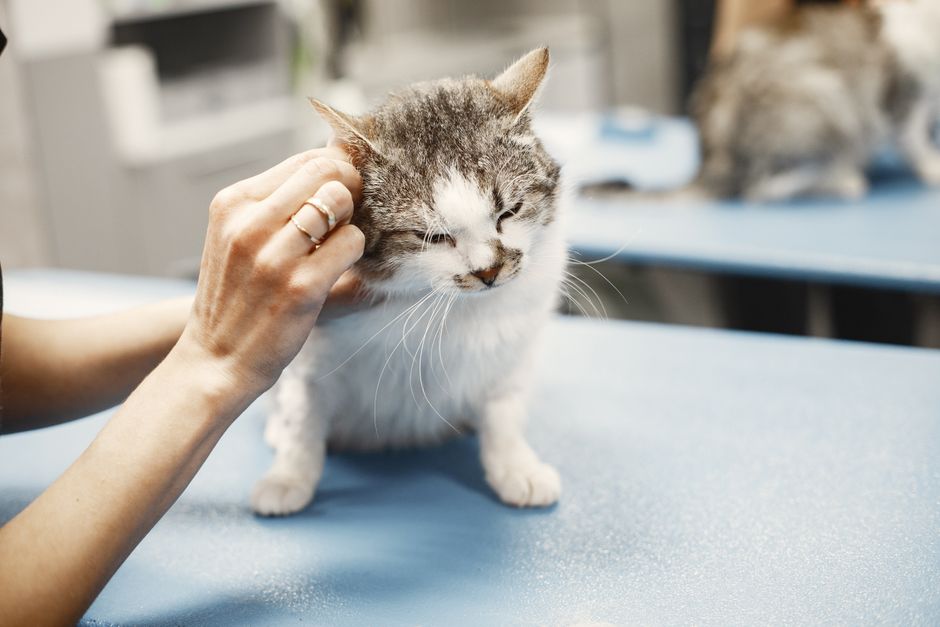
Ear infections are particularly common after exposure to moisture. If your dog or cat is shaking their head, scratching at their ears, or if you see redness or discharge in the ear canal, it is important to pay attention. Pets may also seem more sensitive when you touch their ears or may tilt their head to one side. Left untreated, these infections can become painful and may even lead to more serious complications.
Sometimes, the signs are subtle at first. You may notice your dog licking between their toes after a walk on wet pavement, or your cat grooming a specific patch of skin more than usual. Being aware of these early symptoms allows you to act quickly and prevent further discomfort for your pet. If you are ever unsure whether your pet’s behavior is normal or cause for concern, our wellness exams and pet examinations are designed to catch issues like these before they become more serious.
Why Wet Weather Leads to Infections: Understanding the Causes
The combination of rain and humidity in August creates the perfect breeding ground for bacteria and fungi. Moisture tends to collect in places where air circulation is limited, such as between your pet’s toes, in skin folds, and especially in the ears. When these areas stay damp, microorganisms can multiply quickly, leading to infections like dermatitis (skin inflammation) or otitis (ear infection).
Certain breeds are more susceptible, particularly those with floppy ears, thick coats, or skin folds. Dogs such as Cocker Spaniels, Basset Hounds, and Poodles, as well as cats with dense fur or folded ears, may require extra attention during the humid months. Even short-haired pets are not immune, especially if they have underlying allergies or sensitive skin. Allergies to pollen, grass, or even the detergents used on pet bedding can weaken the skin’s natural defenses, making fungal and bacterial infections more likely.
Environmental factors also play a role. Wet lawns, muddy parks, and even damp carpeting indoors can harbor microscopic organisms waiting for the chance to invade your pet’s skin. If your pet spends more time outdoors during the summer, or if you notice puddles lingering in your backyard, it is wise to check your pet’s skin and ears regularly. At Bergen Veterinary Hospital, our dermatology services help diagnose and treat a wide range of skin conditions, so you can address any issues before they escalate.
Treatment and Management: How Our Veterinary Team Can Help
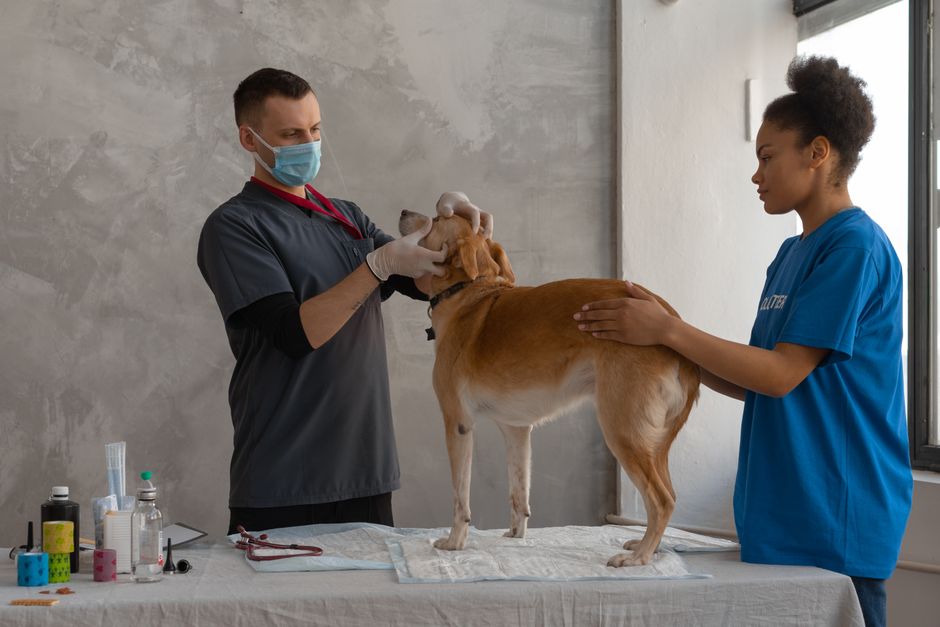
If your pet develops a skin or ear infection, prompt veterinary care is essential. At Bergen Veterinary Hospital, we begin by performing a thorough physical examination to assess the extent of the problem. For skin infections, our veterinarians may gently clip away fur to examine the affected area, then use in-house laboratory tests to identify the specific bacteria or fungi involved. For ear infections, we will examine the ear canal and may recommend swabs or cultures to determine the best course of treatment.
Treatment typically involves medicated shampoos, topical ointments, or ear drops formulated to target the infection. In some cases, oral medications may be necessary if the infection is severe or has not responded to initial therapy. Our in-house pharmacy allows us to provide these medications quickly, ensuring your pet starts feeling better as soon as possible. For pets with chronic or recurring infections, we may recommend additional diagnostic tests, such as allergy testing, to uncover any underlying causes that need to be addressed.
Throughout your pet’s treatment, our team will guide you on how to apply medications at home and monitor your pet’s progress. We know that caring for a pet with an infection can be stressful, so we are here to answer your questions and offer support at every step. Our goal is to resolve the infection promptly while keeping your pet comfortable and minimizing the risk of recurrence.
Prevention and Home Care: Keeping Your Pet Healthy During August Rain
Prevention is the key to avoiding the discomfort and inconvenience of skin and ear infections during the rainy season. Simple steps can make a big difference in your pet’s health. After outdoor walks or playtime, take a few moments to dry your pet’s paws, belly, and ears thoroughly with a clean towel. Pay special attention to spaces between the toes and inside the ears, where moisture tends to linger. For pets with long or thick fur, regular grooming helps remove dampness and prevents matting, which can trap moisture against the skin.
Consider scheduling grooming appointments more frequently during wet weather, and ask your veterinarian for advice on ear cleaning routines suitable for your pet’s breed and lifestyle. If your pet enjoys swimming or gets caught in a downpour, prompt drying is especially important to reduce the chance of infection. Maintaining a clean and dry living environment, including regularly washing bedding and keeping indoor areas well-ventilated, can further decrease the risk.
If your pet has a history of skin or ear issues, preventive care may also involve using special shampoos or ear solutions recommended by your veterinarian. These products are designed to maintain a healthy balance of bacteria and yeast on your pet’s skin, reducing the likelihood of infection. Our veterinary team can help you create a personalized prevention plan tailored to your pet’s unique needs.
When to Schedule a Veterinary Visit: Knowing When Professional Care Is Needed
While many minor skin irritations clear up with simple home care, it is important to recognize when a problem requires professional attention. If your pet’s symptoms persist for more than a day or two, worsen despite your efforts, or if you notice severe redness, swelling, discharge, or a foul odor, it is time to schedule an appointment. Infections can progress quickly, leading to significant discomfort and, in some cases, more serious complications.
Ear infections, in particular, should never be ignored. If your dog or cat seems to be in pain, is shaking their head excessively, or if you notice any changes in behavior such as loss of appetite or lethargy, contact Bergen Veterinary Hospital right away. Early intervention allows us to provide effective treatment and prevent further problems. Our emergency care services are available for situations that require urgent attention, ensuring that your pet receives the care they need when it matters most.
Remember, catching infections early not only helps your pet feel better sooner but can also save you time and expense in the long run. Our veterinary professionals are committed to making each visit as positive and stress-free as possible for both you and your pet.
Supporting Your Pet’s Health: Bergen Veterinary Hospital Is Here for You
August rain in Teaneck brings its own set of challenges for pet owners, but with the right knowledge and support, you can help your dog or cat stay healthy and comfortable all season long. Recognizing the signs of fungal and bacterial infections, understanding why they occur, and taking steps to prevent them at home are the first lines of defense. When issues arise, you can trust the experienced team at Bergen Veterinary Hospital to provide compassionate, comprehensive care.
If you are searching for a "vet near me" who understands the unique needs of pets in Teaneck and surrounding communities, look no further than our practice at 1154 Teaneck Rd, Teaneck, NJ 07666. Whether your pet is due for a routine wellness examination or needs help with a skin or ear problem, our veterinary team is ready to assist. Schedule an appointment today by calling (201) 837-3470 or visit our website at bergenvet.com. We are dedicated to helping your furry family members thrive—rain or shine.
This blog is for informational purposes only and does not replace professional veterinary advice. If you have concerns about your pet’s health, please contact your veterinarian promptly.