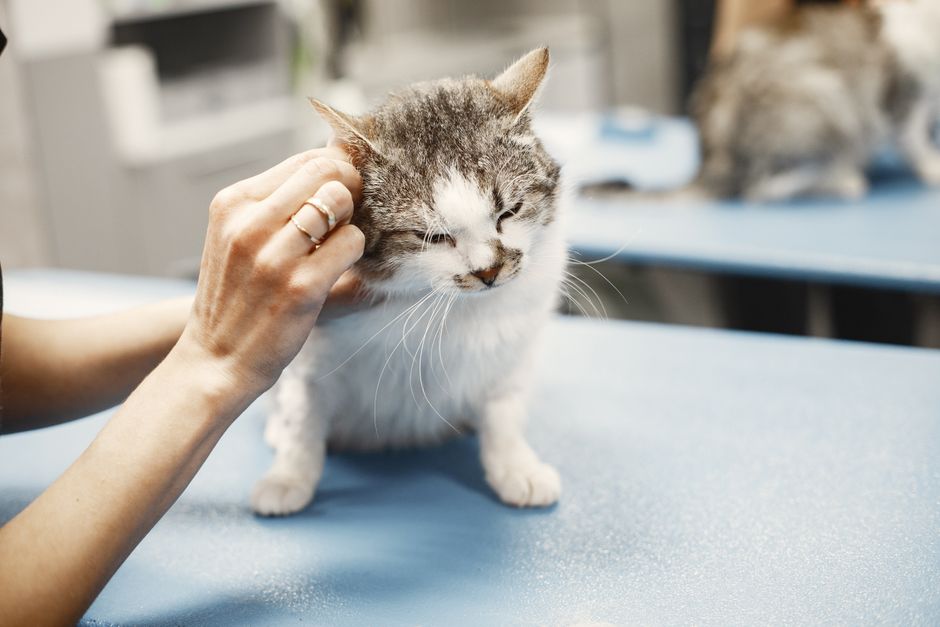
Preventing Hot Spots in Dogs and Cats This August


Preventing Hot Spots in Dogs and Cats This August
As the thick humidity of August settles over Teaneck and surrounding communities, many pet owners notice their dogs and cats scratching or licking more than usual. Bergen Veterinary Hospital, located at 1154 Teaneck Rd, Teaneck, NJ 07666, understands just how frustrating and uncomfortable summer skin problems can be for your pet—and for you as you try to help them find relief. One of the most common warm-weather skin issues we see is the dreaded “hot spot”: a rapidly developing patch of inflamed, irritated skin that can quickly spiral out of control if not addressed.
In this guide, we’ll explain exactly what hot spots are, how to spot them early, what causes them to flare up in New Jersey’s muggy climate, and the steps you can take both at home and with your veterinarian to prevent and treat these painful lesions. We’ll also share when it’s time to schedule an appointment with our veterinary team for a comprehensive evaluation, and how our dermatology services for pets and allergy testing for pets can help keep your furry family member comfortable all summer long.
Recognizing Hot Spots: What Pet Owners Should Watch For
Hot spots, also known as acute moist dermatitis, can appear suddenly on your dog or cat’s skin. The most common signs include a red, moist, and sometimes oozing area that feels warm to the touch. Your pet may lick, chew, or scratch at the spot incessantly, causing the fur to fall out and the skin underneath to become exposed and raw. These lesions can develop anywhere, but they most often occur on the head, neck, hips, or along the chest and thighs.
In dogs, hot spots tend to be more obvious because the affected area can grow quickly and become very uncomfortable. Cats are sometimes more subtle, often developing smaller lesions hidden under their thick fur; you may notice excessive grooming or a sudden bald patch. In both dogs and cats, you might see that your pet is restless, more irritable than usual, or reluctant to be touched near the sore area.
If you spot any of these symptoms—especially if the skin looks red, moist, swollen, or has a foul odor—it's important to take action quickly. Hot spots can worsen in a matter of hours, making early recognition a key part of your pet’s comfort and recovery.
What Causes Hot Spots in Dogs and Cats?
Understanding why hot spots develop is the first step toward prevention. These painful skin lesions are almost always a secondary problem, meaning they are triggered by an underlying issue that causes your pet to itch, chew, or scratch excessively. In Teaneck’s humid August weather, factors like matted fur, trapped moisture from swimming or bathing, and increased flea or insect activity can all contribute.
Common causes include flea allergies, environmental allergies (such as pollen, grasses, or mold), food sensitivities, or even boredom and stress. Dogs with thick or double coats—such as Golden Retrievers, Labradors, or Newfoundlands—are especially prone to hot spots during humid months, as moisture becomes trapped against the skin. Cats can develop hot spots as a result of flea infestations, skin wounds, or underlying allergies.
In both dogs and cats, the cycle typically begins with an itch, which leads to scratching or licking, and then to skin trauma. Bacteria from your pet’s mouth or the environment can then invade the broken skin, causing rapid inflammation and infection. Hot spots thrive in warm, moist conditions, which is why August in Teaneck often brings a spike in cases at Bergen Veterinary Hospital.
Treating Hot Spots: What to Expect at Bergen Veterinary Hospital
If your pet develops a hot spot, prompt and effective treatment is essential to stop the itch-scratch cycle and restore comfort. Our veterinarians at Bergen Veterinary Hospital begin with a thorough physical exam to assess the extent of the lesion and identify any underlying causes, such as fleas, allergies, or skin infections. We may recommend diagnostic tests, including skin scrapings or allergy testing, to get to the root of your pet’s discomfort.
Treatment approaches involve gently clipping and cleaning the affected area to remove matted fur and allow the skin to breathe. We may prescribe topical or oral medications, such as antibiotics to address infection and anti-itch medications to reduce discomfort. In severe cases, your pet might need an Elizabethan collar (cone) to prevent further self-trauma while the skin heals.
Our dermatology services for pets are designed to address both the immediate problem and any underlying issues that may have triggered the hot spot. For pets with recurrent hot spots or suspected allergies, we may recommend allergy testing for pets to help identify specific triggers and develop a long-term management plan.
Throughout the process, our veterinary team will guide you on how to care for your pet at home, monitor for complications, and prevent future flare-ups. We are committed to providing compassionate, comprehensive care for every member of your family.
Preventing Hot Spots at Home During Teaneck’s August Humidity
The good news is that many hot spots can be prevented with some proactive steps at home, especially during the steamy days of August. Regular grooming is essential; brushing your dog or cat’s coat helps remove loose fur, dirt, and debris, and prevents matting that can trap moisture against the skin. After swimming or bathing, always dry your pet thoroughly, paying special attention to areas where the fur is thick or dense.
Flea and tick prevention is another crucial factor, since parasites are a major trigger for itching and skin irritation. Use veterinarian-recommended products consistently, and check your pet’s skin frequently for signs of fleas, ticks, or bites.
For pets with allergies or sensitive skin, try to limit exposure to known triggers. This might mean wiping down your dog’s paws and coat after walks, using air purifiers indoors, or choosing hypoallergenic diets. If your cat spends time outdoors, inspect their coat regularly for wounds, mats, or signs of irritation.
Additionally, keeping your pet mentally and physically stimulated can reduce boredom-related licking and chewing. Puzzle toys, regular playtime, and structured routines help keep both dogs and cats occupied and less likely to develop stress-related hot spots.
When to Schedule a Veterinary Visit
While some minor hot spots may respond to careful home care, it’s important to recognize when professional help is needed. You should schedule an appointment with our veterinary team if the hot spot is rapidly growing, if your pet seems very uncomfortable or lethargic, or if the skin is oozing pus or has a strong odor. Hot spots that do not improve within a day or two of home care, or that keep coming back, require a thorough evaluation to uncover the underlying cause.
If your pet is scratching so much that they are causing bleeding, or if you notice swelling, fever, or behavioral changes, these are signs that immediate veterinary attention is needed. Prompt treatment helps prevent complications and ensures your pet’s comfort and health. Our emergency veterinary care is available for acute situations that cannot wait for a regular appointment.
Remember, hot spots are often a visible sign of a deeper issue. Working with your veterinarian to address allergies, infections, or other triggers will not only provide relief now but also help prevent future outbreaks.
Bergen Veterinary Hospital: Your Partner in Pet Skin Health
August’s muggy weather in Teaneck brings plenty of opportunities for outdoor fun, but it also increases the risk of hot spots and other summer skin problems in dogs and cats. By recognizing the early signs, understanding what causes these painful lesions, and taking steps to prevent them, you can help your pet enjoy a comfortable, itch-free summer.
If you have questions about your pet’s skin, notice any signs of irritation, or want to discuss allergy management, the veterinary professionals at Bergen Veterinary Hospital are here to help. We encourage you to schedule an appointment for a skin health check or to learn more about our dermatology services for pets and allergy testing for pets. Our team is dedicated to providing the highest standard of care for every pet in Teaneck and surrounding communities.
When searching for a vet near me, trust Bergen Veterinary Hospital to be your local partner in preventing and treating hot spots all summer long. To schedule your appointment or speak with one of our veterinarians, call (201) 837-3470 or visit us at 1154 Teaneck Rd, Teaneck, NJ 07666. Your pet’s comfort and health are always our top priority.