Year-Round Pet Dental Care: Early Signs to Watch For

Year-Round Pet Dental Care: Early Signs to Watch For
As a loving pet owner, you want your dog or cat to enjoy a long, healthy life filled with joyful moments and wagging tails. Yet, one aspect of pet health that's often overlooked is dental care. Just like people, pets can suffer from dental disease; however, the early signs are easy to miss. At Bergen Veterinary Hospital, located at 1154 Teaneck Rd, Teaneck, NJ 07666, we are dedicated to providing comprehensive pet dental care in Teaneck and surrounding communities all year long. Our veterinary team understands that a healthy mouth is the foundation for your pet’s overall well-being.
In this blog, you’ll discover why dental health is so important, how to spot the early signs of dental disease in pets, and what you can do to protect your furry friend’s smile. We’ll explore professional dental care options available at our hospital, including dental cleanings and advanced diagnostics, as well as simple steps you can take at home. If you’ve been searching for a “dental vet near me” or wondering about professional pet dental care in Teaneck, you’re in the right place. To learn more about our professional cleaning services, you can visit our page on pet dental cleaning services for pets.
Recognizing the Early Signs of Dental Disease in Pets
When it comes to pet dental care, early detection is key. Dental disease in pets often starts quietly, with subtle changes that may be easy to overlook. However, catching these early warning signs can make a significant difference in your pet’s comfort and long-term health.
Some of the most common signs of dental disease in pets include persistent bad breath, which is often more than just “doggy breath.” You might also notice your pet has red or swollen gums, visible tartar buildup on the teeth, or a reluctance to chew toys or food. Other changes, such as drooling more than usual or pawing at the mouth, can also indicate dental discomfort. Pets may even begin dropping food while eating or show a decreased interest in their meals. Additionally, behavioral changes like irritability or withdrawal can sometimes be traced back to dental pain.
These symptoms can develop gradually, so it’s important to observe your pet closely during everyday activities. For example, if your dog suddenly stops playing with a favorite chew toy or your cat begins to eat less, dental discomfort might be the culprit. By recognizing these early signs of dental disease in pets, you can take action before the problem progresses.
Understanding the Causes of Dental Disease in Dogs and Cats
Dental disease in pets is primarily caused by the accumulation of plaque—a sticky film made up of bacteria—on the teeth. Over time, if not removed through cleaning or chewing, this plaque hardens into tartar, which can irritate the gums and lead to inflammation, known as gingivitis. If left untreated, the condition can progress to periodontitis, a more serious form of dental disease that damages the tissues and bone supporting the teeth.
Several factors can increase a pet’s risk of developing dental problems. Age is a significant factor; older pets are more prone to dental disease, but younger animals can also be affected if their teeth are not cared for. Breed plays a role as well; smaller dog breeds and certain cats may be more susceptible due to the shape of their mouths or crowding of teeth. Diet and chewing behavior also influence dental health. Pets that eat primarily soft foods and do not have access to dental chews or toys may develop plaque more quickly.
Additionally, underlying health conditions, such as diabetes or immune system disorders, can make pets more vulnerable to oral health problems. Environmental factors, including the local climate in Teaneck, can sometimes influence the prevalence of dental disease, especially during the winter months when pets may be less active and chew less frequently.
Understanding these causes helps pet owners appreciate why regular pet dental care in Teaneck is essential for both dogs and cats, regardless of age or breed.
Professional Treatment Options for Pet Dental Care in Teaneck
When early signs of dental disease in pets are detected, seeking professional veterinary care is the best way to protect your pet’s oral and overall health. At Bergen Veterinary Hospital, our veterinarians offer a comprehensive approach to pet dental care in Teaneck, utilizing advanced diagnostics and gentle treatment techniques.
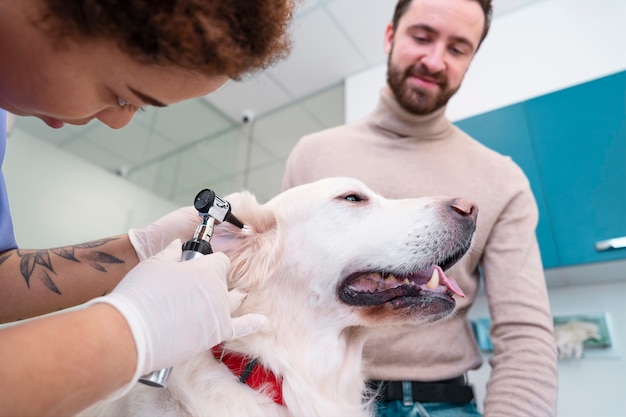
The process usually begins with a thorough dental examination, during which our veterinary team will inspect your pet’s mouth for signs of disease, including gum inflammation, tooth damage, and tartar buildup. Depending on the findings, we may recommend a professional dental cleaning under anesthesia. This allows us to safely remove plaque and tartar from both above and below the gumline, areas that can’t be reached with brushing alone.
In some cases, dental radiographs are necessary to evaluate the condition of the teeth below the surface. Radiographs can reveal hidden issues such as tooth root abscesses, bone loss, or impacted teeth. To learn more about this important diagnostic tool, visit our page on dental radiographs for accurate diagnosis of pet dental health.
If a tooth is severely damaged or infected, extraction may be the only way to relieve pain and prevent further complications. Our team is experienced in performing pet tooth extraction services for dogs and cats safely and compassionately.
Our veterinary professionals also provide a range of advanced dental treatments, including oral surgery when needed, always prioritizing your pet’s comfort and safety. When you choose Bergen Veterinary Hospital for your pet’s dental care in Teaneck, you can trust that we use state-of-the-art technology and gentle techniques throughout every procedure.
Preventing Dental Problems: Home Care Tips for Pet Owners
While professional veterinary services are essential, daily home care is just as important for maintaining your pet’s dental health. Simple steps can make a big difference in preventing dental disease and ensuring that your pet enjoys pain-free eating and play.
Brushing your pet’s teeth regularly with a pet-safe toothbrush and toothpaste is one of the most effective ways to remove plaque before it hardens into tartar. It’s important to start slowly and use positive reinforcement to help your pet adjust to the routine. Dental chews and specialized diets formulated to reduce plaque can also be beneficial, especially for pets that are reluctant to have their teeth brushed.
Regularly inspecting your pet’s mouth at home can help you spot early changes such as red gums, loose teeth, or unusual sores. If you notice any of these signs, it’s important to schedule an appointment for pet dental care in Teaneck as soon as possible.
Providing toys designed for dental health can also encourage chewing and help keep teeth clean. Avoid giving your pet hard objects that could break their teeth, such as bones or antlers.
Finally, routine checkups with your veterinarian are a cornerstone of preventive care. During your visit, our veterinary team can provide guidance on the best home care products and demonstrate brushing techniques to set you and your pet up for success. If you are searching for “quality veterinary services near me” that include expert dental care, Bergen Veterinary Hospital is here to support you every step of the way.
When to Seek Veterinary Care for Dental Issues
Knowing when to seek professional help is crucial for your pet’s comfort and health. While mild tartar buildup or occasional bad breath can sometimes be managed with improved home care, certain situations always require veterinary attention.
Warning signs that indicate a need for immediate veterinary dental care in Teaneck include persistent bad breath that does not improve with brushing, visible swelling of the face or jaw, bleeding from the mouth, sudden loss of appetite, or any sign of severe pain such as crying out when eating. If your pet refuses to eat, has difficulty chewing, or you notice loose or missing teeth, it is essential to schedule an appointment promptly.
In some cases, dental disease can lead to infections that spread to other parts of the body, including the heart, liver, or kidneys. For this reason, our veterinary professionals strongly recommend not waiting until symptoms become severe. Instead, contact us at the first sign of a problem to ensure your pet receives timely care.
For more information on advanced treatment options, visit our page dedicated to comprehensive pet dental surgery and oral procedures.
Please remember that while this blog provides helpful guidance, it cannot replace a professional examination. Every pet is unique, and only a veterinarian can determine the most appropriate treatment plan for your furry family member.
Keeping Your Pet’s Smile Bright All Year Long
Your pet’s dental health is an important part of their overall wellness. By staying alert to the early signs of dental disease in pets, practicing effective home care, and partnering with our caring veterinary team for professional pet dental care in Teaneck, you can help your dog or cat enjoy a happier, healthier life.
If you are looking for a “vet near me” who offers advanced dental care, look no further than Bergen Veterinary Hospital. Our veterinarians are here to answer your questions, provide compassionate treatment, and support your pet’s health every step of the way. Whether your pet needs a routine cleaning, an advanced dental procedure, or simply a checkup, we invite you to schedule an appointment at our convenient Teaneck location.
To learn more about our professional dental cleaning services for pets or to book a dental exam, call us at (201) 778-6469. At Bergen Veterinary Hospital, we are proud to serve Teaneck and surrounding communities with the highest standard of pet dental care, helping your pet smile with confidence all year long.
This blog is intended for informational purposes only and should not be used as a substitute for professional veterinary advice. If you have concerns about your pet’s dental health, please schedule an appointment with your veterinarian.