Summer Dental Care Tips for Teaneck Dogs and Cats

Summer Dental Care Tips for Teaneck Dogs and Cats
As summer arrives in Teaneck and surrounding communities, many pet owners find themselves focusing on outdoor fun, travel, and keeping their dogs and cats cool. But did you know that this season can also bring unique challenges for your pet’s dental health? At Bergen Veterinary Hospital, conveniently located at 1154 Teaneck Rd, Teaneck, NJ 07666, our veterinary team sees firsthand how summer routines, treats, and even the heat can impact the oral health of pets across Teaneck and neighboring areas such as Tenafly, Bogota, and Fort Lee.
In this blog, you’ll discover how to recognize dental problems in your dog or cat, learn about the causes behind these issues, explore professional treatment options available at Bergen Veterinary Hospital, and find out how to keep your companion’s smile healthy all summer long. Whether you’re concerned about bad breath, tartar buildup, or just want to give your pet the best home care, we’re here to guide you every step of the way. If you have questions or suspect your pet might need help, our team is ready to help schedule an appointment and provide the compassionate care your pet deserves.
Recognizing Signs of Dental Problems in Dogs and Cats
Catching dental disease early is one of the best ways to protect your pet’s overall health. During summer, it’s easy to miss subtle symptoms, especially when outdoor distractions take center stage or your pet’s routine changes with travel or boarding. Key signs of dental trouble in dogs and cats include persistent bad breath, yellow or brown buildup on the teeth, red or swollen gums, drooling more than usual, pawing at the mouth, or reluctance to eat crunchy food. Some pets may become irritable or even shy away from having their face touched, while others might drop food from their mouth or show changes in chewing habits.
If you notice any of these symptoms, it’s important not to dismiss them as normal aging or simply “dog breath.” Dental disease can progress quickly and may lead to discomfort, tooth loss, or even more serious health issues if bacteria from the mouth enter the bloodstream. Summer treats like ice cubes, frozen chews, or barbecued bones can also cause dental injuries, so watch for sudden changes after your pet enjoys something new.
Why Summer Can Challenge Your Pet’s Dental Health
The warm months often mean more time outdoors and a shift in routines, which can inadvertently affect your pet’s oral health. Increased outdoor play and travel can lead to inconsistent feeding schedules, more treats, or changes in the type of food your pet eats. Many pet owners offer chews, bones, or special snacks to keep pets occupied during gatherings or road trips, but not all treats are created equal; some can cause dental fractures or contribute to tartar buildup.
Additionally, summer can bring dehydration if pets don’t have constant access to fresh water, making their saliva thicker and less effective at washing away food particles. This allows bacteria to multiply and increases the risk of plaque and tartar formation. For some pets, stress from boarding or travel may also lead to skipped brushings or a reluctance to eat, further compounding oral health concerns. Understanding these seasonal hazards can help you make more informed choices for your dog or cat.
Professional Dental Services for Dogs and Cats at Bergen Veterinary Hospital
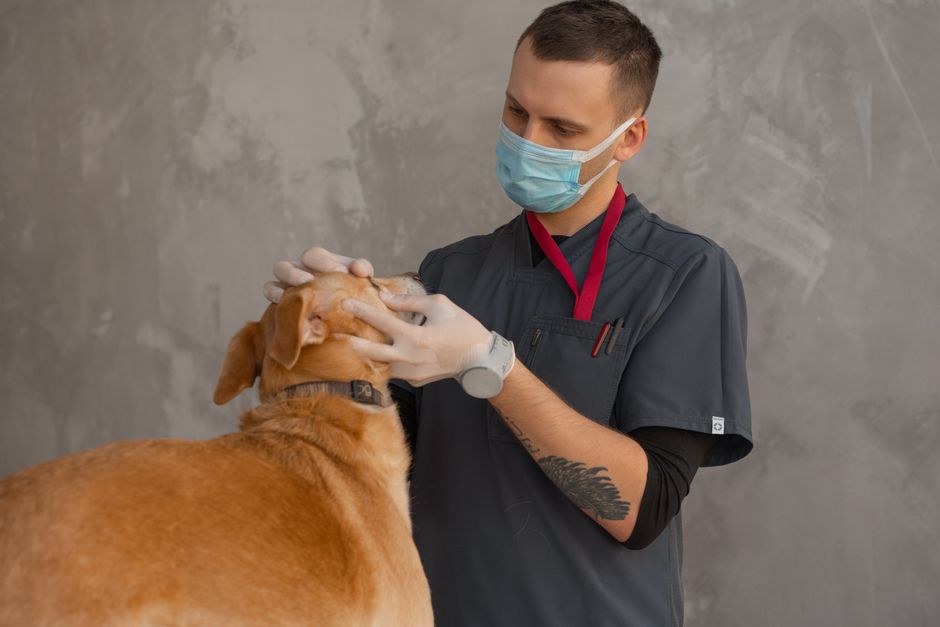
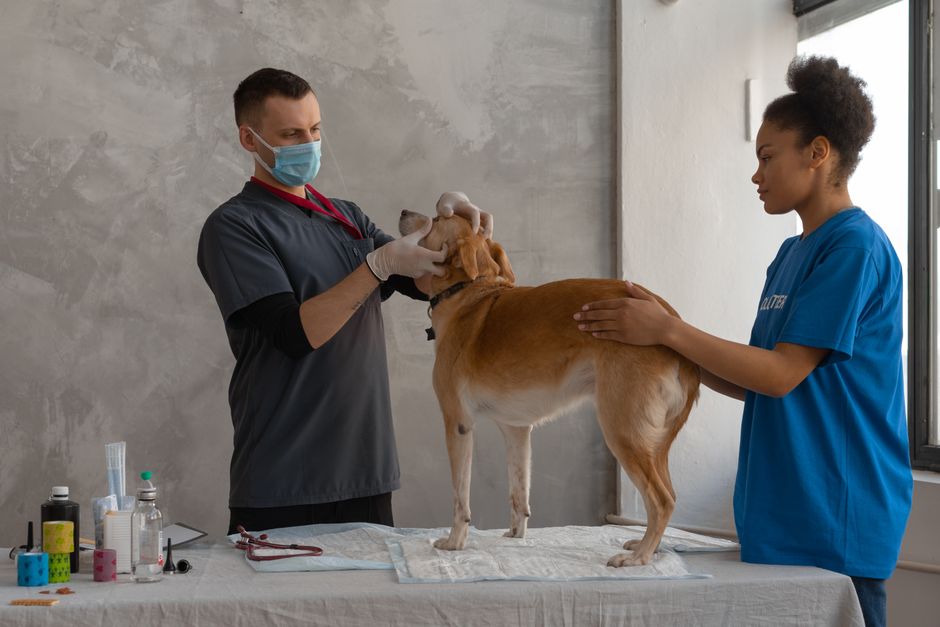
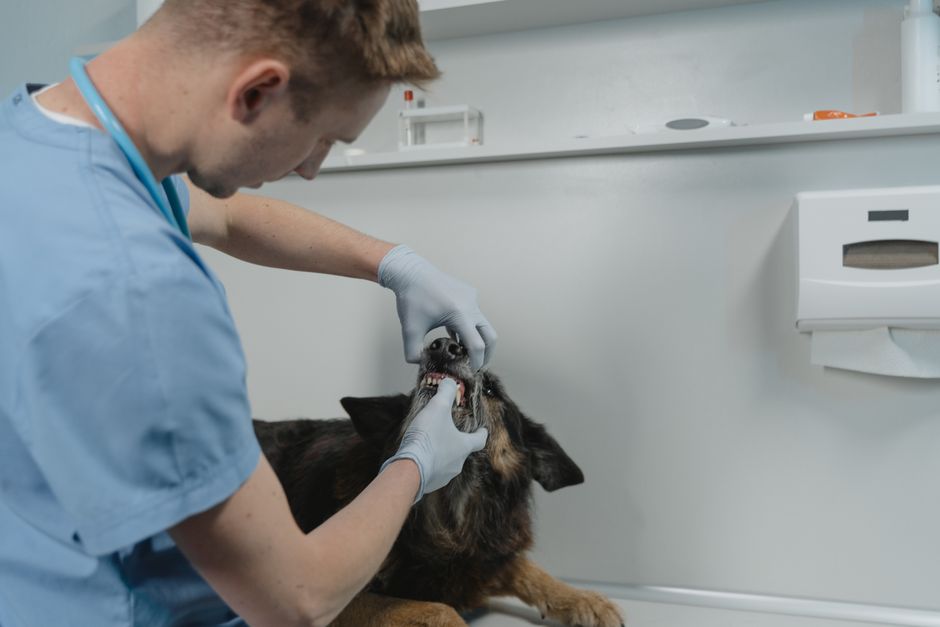
When dental problems arise, professional veterinary care is essential for both diagnosis and treatment. At Bergen Veterinary Hospital, our veterinarians provide a full range of dental services for dogs and cats, from routine cleanings to advanced oral surgery. During a dental evaluation, we assess your pet’s teeth and gums, checking for signs of disease, injury, or infection. If cleaning is recommended, our team uses specialized equipment to remove plaque and tartar both above and below the gumline—something that cannot be accomplished with brushing alone.
Dental radiographs are a vital part of our comprehensive approach, allowing us to detect issues below the surface, such as root abscesses or bone loss. You can learn more about our dental radiography services for pets and how they provide a clearer picture of your pet’s oral health. For more advanced problems, our veterinarians are experienced in tooth extractions and oral surgery, ensuring your pet receives the care needed for lasting comfort and health. To find out more about our pet tooth extraction services or our pet oral surgery services, visit our website or ask during your next appointment.
By addressing dental issues promptly, you not only relieve your pet’s discomfort but also help prevent more serious complications that could affect their heart, kidneys, or liver. Our in-house laboratory and pharmacy allow us to perform pre-anesthetic testing and provide post-procedure pain management, making dental care as safe and stress-free as possible for your companion.
At-Home Dental Care Tips for a Healthier Summer Smile
While professional cleanings are essential, daily home care plays a significant role in maintaining your pet’s oral health between visits. Brushing your dog or cat’s teeth is the gold standard; using a pet-safe toothbrush and toothpaste can help remove plaque before it becomes tartar. If your pet is new to brushing, start slowly, rewarding them with praise or a favorite toy to make the experience positive. Aim to brush at least several times a week, working up to daily if possible.
Dental chews, treats, or toys can also promote oral health, but choose products approved by the Veterinary Oral Health Council (VOHC) for safety and effectiveness. Avoid giving bones, hard antlers, or anything that could crack a tooth; instead, opt for softer, pet-specific dental options. Fresh water should always be available, especially in the heat, as it helps flush bacteria and debris from the mouth.
Monitor your pet’s mouth regularly by gently lifting their lips to check for redness, swelling, or buildup. If your pet resists handling, or if you notice changes in eating habits, schedule a dental evaluation promptly. Remember, small steps taken at home can add up to big improvements in your pet’s health and happiness.
When to Schedule a Veterinary Dental Visit
Some dental problems require immediate professional attention, especially if your pet is showing signs of pain, bleeding from the mouth, sudden swelling, or if you notice a broken or loose tooth. Persistent bad breath that does not improve with home care, refusal to eat, or visible sores should also prompt a call to your veterinarian. Even if your pet seems comfortable, yearly dental exams are recommended for both dogs and cats, as many dental problems develop silently beneath the gumline.
If it’s been more than a year since your companion’s last dental checkup, or if you’ve recently noticed new symptoms, now is the perfect time to schedule a visit. Our veterinary team at Bergen Veterinary Hospital is committed to making dental care straightforward and stress-free for pets and their owners across Teaneck and the surrounding communities.
Choose Bergen Veterinary Hospital for Dental Care in Teaneck
Your pet’s dental health is a vital part of their overall wellbeing, especially during the busy summer months. By staying alert to changes, practicing good home care, and relying on the expertise of your local veterinary professionals, you can help your dog or cat enjoy a brighter, healthier smile all year long. If you’re searching for a veterinarian near me who provides comprehensive dental services, Bergen Veterinary Hospital is here for you.
We invite you to schedule an appointment for a dental evaluation or cleaning by calling (201) 837-3470 or visiting us at 1154 Teaneck Rd, Teaneck, NJ 07666. For more information about our professional dental cleaning services for pets, explore our website or ask our veterinary team during your next visit. We look forward to helping your companion stay happy, healthy, and smiling through every season.
This blog is for informational purposes only and does not replace individualized veterinary advice. If you are concerned about your pet’s health, always consult your veterinarian for specific guidance.