Springtime Allergies In Teaneck Pets: Signs And Relief Options


Springtime Allergies In Teaneck Pets: Signs And Relief Options
As spring arrives in Teaneck, many pet owners notice their dogs and cats scratching, sneezing, or developing irritated skin. The bloom of flowers and trees brings new life to our community, but it also releases pollen and other allergens that can make your furry family members uncomfortable. At Bergen Veterinary Hospital, conveniently located at 1154 Teaneck Rd, Teaneck, NJ 07666, our veterinary team understands how distressing it can be to see your pet struggling with allergy symptoms. This blog will help you recognize the signs of springtime allergies in pets, explain the causes, discuss professional and home care options, and guide you on when to seek veterinary help. We’ll also highlight how our full-service facility supports your pet’s health, including advanced allergy testing and dermatology services for pets in Teaneck and surrounding communities.
How To Recognize Springtime Allergy Symptoms In Your Pet
Spring allergies in pets often show up differently than in people. Instead of runny noses or watery eyes, many dogs and cats experience skin and ear issues. Key symptoms include persistent scratching, licking, or chewing at paws and body, as well as redness or inflammation of the skin. You might also notice hair loss, scabs, or hot spots, which are localized areas of intense irritation. In some cases, pets develop frequent ear infections, head shaking, sneezing, or watery discharge from the eyes. Cats may be more subtle, showing signs such as excessive grooming or small scabs around the neck and back.
A pet that seems restless, is losing fur, or is constantly biting at its skin could be struggling with seasonal allergies. The onset of these symptoms often coincides with the first waves of pollen in Teaneck, making springtime a prime season for allergy flare-ups. If your pet is exhibiting any of these behaviors, it’s important to consider allergies as a possible cause and to monitor for worsening or additional symptoms.
Why Do Pets Get Seasonal Allergies?
Just like people, pets can develop sensitivities to environmental allergens. During spring in Teaneck, pollen from trees, flowers, and grasses becomes airborne and settles on your pet’s fur and skin. Other common allergens include mold spores, dust mites, and occasionally certain insects. When a pet’s immune system reacts to these particles, it can trigger an inflammatory response that causes itching, redness, and discomfort.
Dogs tend to be more susceptible to environmental allergies than cats, but both species can be affected. The reason for this sensitivity is largely genetic; some breeds are more prone to allergies, and pets with a history of atopic dermatitis or food allergies may be at increased risk. Repeated exposure over time can also prime a pet’s immune system, making each subsequent spring more challenging.
It’s also important to note that allergies are often a lifelong condition. Once a pet becomes allergic to an environmental trigger, symptoms may recur each season or whenever the allergen is present. Understanding these underlying causes is key to providing long-term comfort for your pet.
Professional Treatment Options For Pet Allergies In Teaneck
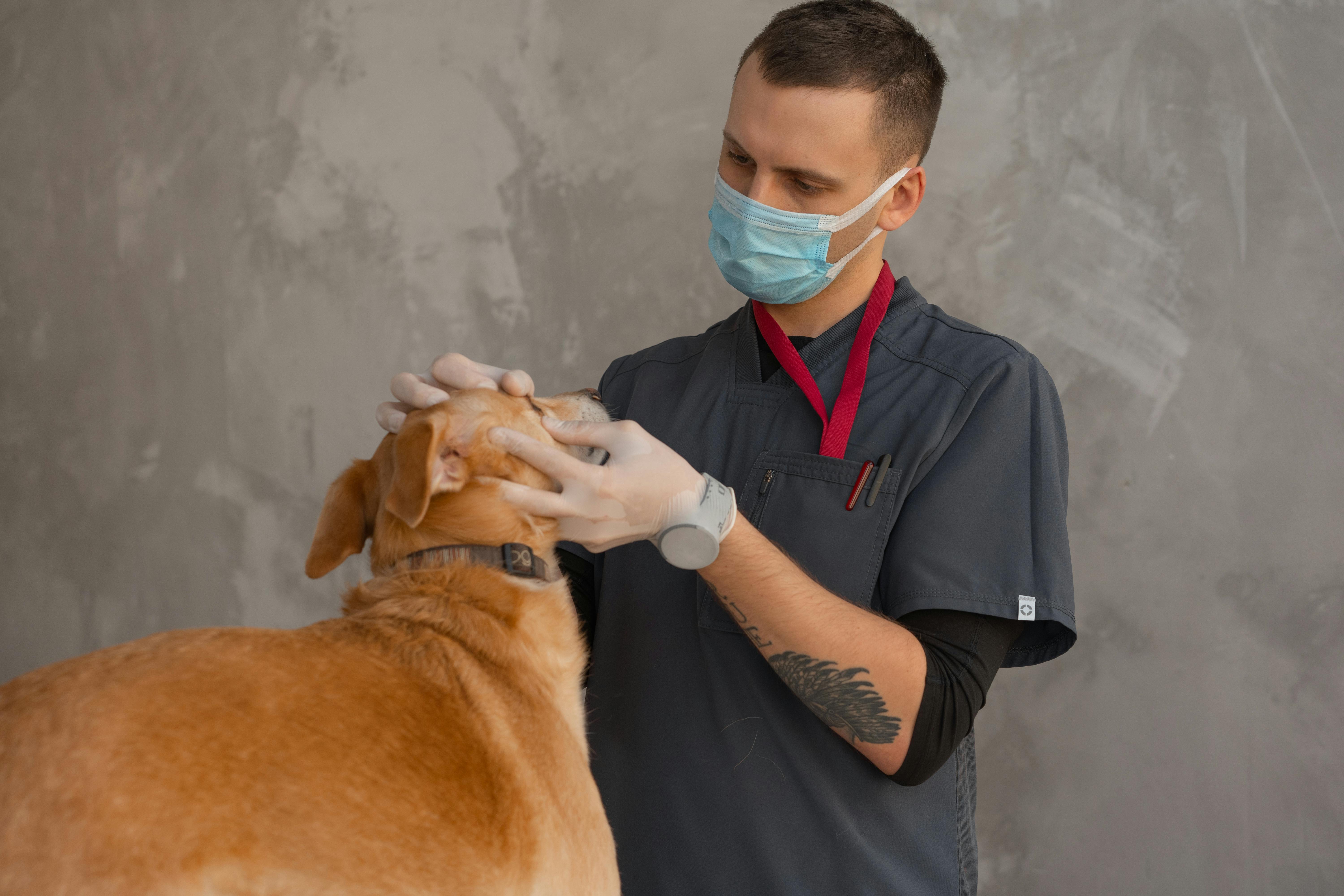
When allergies disrupt your pet’s comfort or lead to skin and ear infections, professional veterinary care is essential. At Bergen Veterinary Hospital, our veterinarians begin with a thorough examination to rule out other causes of itching, such as parasites or infections. We may recommend advanced diagnostic options like allergy testing to pinpoint your pet’s specific triggers.
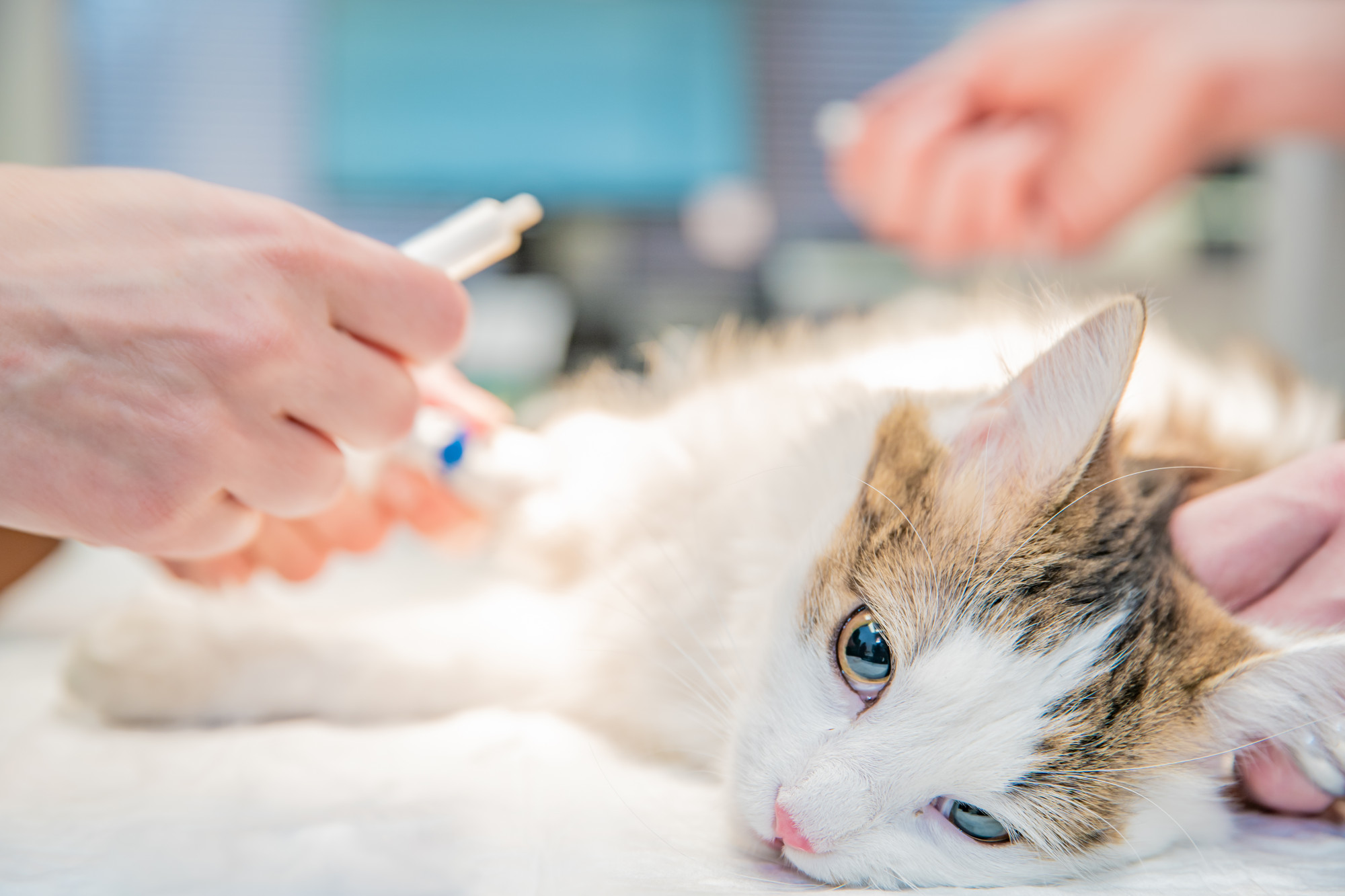
Treatment approaches for springtime allergies often involve a combination of therapies. Medicated shampoos or topical sprays can soothe irritated skin and remove allergens from the coat. Oral or injectable medications may be prescribed to reduce itching and inflammation; these could include antihistamines, corticosteroids, or newer drugs specifically designed for allergic pets. In cases where secondary infections are present, antibiotics or antifungal medications may be necessary.
Some pets benefit from immunotherapy, which involves exposing the immune system to tiny amounts of the allergen to build tolerance over time. Our in-house laboratory and pharmacy make it easy to start treatment promptly. Additionally, our veterinary dermatology team is skilled at managing complex or chronic skin conditions, ensuring your pet receives a comprehensive approach to allergy care. For pets experiencing severe reactions or sudden swelling, emergency veterinary care is available for immediate attention.
Home Care And Preventive Strategies For Springtime Allergies
While veterinary treatment is vital, there are many steps you can take at home to reduce your pet’s exposure to springtime allergens and ease discomfort. Bathing your pet regularly with a gentle, vet-recommended shampoo can help wash away pollen and soothe the skin. Wiping your dog’s paws and belly after walks, especially on high-pollen days, can minimize irritation. Keeping windows closed during peak pollen times and using air purifiers indoors may also lower allergen levels in your home environment.
Vacuuming carpets and washing pet bedding frequently helps remove dust, pollen, and dander. For cats who spend time outside, consider limiting outdoor exposure when pollen counts are highest. Encouraging hydration and providing a balanced diet support healthy skin and coat, which can make pets less vulnerable to irritation. Always consult with your veterinarian before trying over-the-counter remedies, as some products may not be safe for pets.
If your pet has been prescribed allergy medications or topical treatments, consistency is key. Follow your veterinarian’s instructions closely and keep track of any changes in your pet’s symptoms. Our team is always available to answer questions or adjust your pet’s treatment plan as needed.
When To Seek Veterinary Care For Allergies
Many mild allergy symptoms can be managed at home, but there are times when professional help is necessary. Warning signs to watch for are persistent scratching that leads to open sores, hair loss, or bleeding, as well as repeated ear infections, sudden swelling of the face or paws, difficulty breathing, or changes in appetite or behavior. These symptoms can indicate a more severe allergic reaction or a secondary infection needing immediate attention.
If you notice your pet’s symptoms are worsening, not improving with home care, or are causing significant distress, it is time to schedule an appointment with our veterinary team. Sudden changes such as hives, facial swelling, or trouble breathing require urgent veterinary evaluation. Our veterinarians at Bergen Veterinary Hospital are equipped to provide both routine and emergency allergy care, ensuring your pet’s safety and comfort.
For complex or recurring cases, our dermatology services offer advanced solutions for managing chronic skin and allergy issues. Early intervention can help prevent complications and keep your pet healthier throughout the spring and beyond.
Supporting Your Pet’s Well-Being This Spring
Spring should be a season of joy for your entire family, pets included. At Bergen Veterinary Hospital, we are dedicated to helping your pets enjoy the vibrant weather and fresh air without the misery of allergies. Our veterinarians are experienced in diagnosing and managing seasonal allergy symptoms, and our facility provides the latest treatments to ensure lasting relief. If you are searching for a compassionate "vet near me" in Teaneck and want answers about your pet’s scratching, sneezing, or skin issues, we invite you to schedule an appointment for a thorough evaluation.
Our veterinary team is here to provide guidance, answer your questions, and tailor a treatment plan that fits your pet’s unique needs. To get started, contact us at (201) 837-3470 or visit our modern facility at 1154 Teaneck Rd, Teaneck, NJ 07666. For more information about our allergy testing, dermatology, or emergency care, explore our website or reach out to our friendly team of veterinarians. Give your pet the relief and comfort they deserve this spring—and let us be your trusted partner in lifelong health.
This blog is intended for informational purposes only and does not replace professional veterinary advice. Always consult with your veterinarian for specific guidance regarding your pet’s health.