How To Ease Your Pet’s Allergies This Spring in Teaneck

How To Ease Your Pet’s Allergies This Spring in Teaneck
Springtime in Teaneck is a beautiful season, but it often brings more than just blooming flowers and warm breezes—it can also mean itchy skin, watery eyes, and sneezing for your beloved dog or cat. If you’ve noticed your pet scratching more frequently or showing signs of discomfort as the weather changes, you’re not alone. Seasonal allergies are a common concern for many pet owners in our area, and the Bergen Veterinary Hospital team in Teaneck, NJ is here to help you understand what’s happening and how you can provide relief for your furry family member. In this blog, we’ll guide you through recognizing the signs of spring allergies in pets, explore why allergies occur, discuss both professional treatments and home care strategies, and explain when it’s time to schedule an appointment with your veterinarian. Our goal is to support your pet’s comfort and well-being all season long with the most compassionate and advanced veterinary care in Teaneck and surrounding communities.
Recognizing Spring Allergy Symptoms in Dogs and Cats
As a pet owner, it can be distressing to watch your dog or cat struggle with persistent itching or other allergy-related symptoms. Recognizing the signs early is key to helping your pet feel better and preventing complications. Many pets develop allergies to environmental triggers that become more prevalent in the spring, such as pollen from trees, grasses, and weeds.
Common symptoms of spring allergies in pets include frequent scratching, licking, or chewing at the skin; redness or irritation on the belly, paws, or ears; excessive shedding or bald patches; watery eyes; sneezing; ear infections; and in some cases, skin lesions or hot spots that develop from self-trauma. Cats may exhibit overgrooming, particularly on their belly or legs, while dogs might rub their face along the carpet or furniture in an attempt to relieve itchiness. If your pet seems restless, is constantly shaking their head, or you notice a musty odor from the ears, allergies may be to blame.
It’s also important to note that allergy symptoms can sometimes mimic other health issues, so a thorough evaluation by your veterinarian is essential for an accurate diagnosis. For a more detailed look at allergy signs and possible causes, our veterinary dermatology services for skin health issues in pets page offers helpful information and resources.
What Causes Spring Allergies in Pets?
Spring allergies in dogs and cats are typically the result of an immune system reaction to environmental allergens. Pollen from blooming trees, grasses, and weeds is a leading culprit, especially during late April and May when levels spike in Teaneck. Mold spores, dust mites, and even certain outdoor insects can also trigger reactions in sensitive pets.
When your pet is exposed to these allergens, their immune system sometimes overreacts, releasing histamines that cause inflammation, itching, and other classic allergy symptoms. Some pets may be genetically predisposed to allergies, with certain breeds—like Bulldogs, Retrievers, and Terriers—being more likely to suffer from atopic dermatitis. Environmental factors such as increased outdoor activity, open windows, and more time spent in the yard during spring mean greater exposure to potential allergens.
While many allergies are seasonal, others can persist year-round if your pet is sensitive to indoor triggers like dust or mold. In some cases, food allergies can complicate the picture, which is why a comprehensive evaluation by a veterinary professional is so important. Bergen Veterinary Hospital offers diagnostic allergy testing services for pets, which can help pinpoint exactly what is causing your pet’s discomfort.
Professional Treatment Options at Bergen Veterinary Hospital
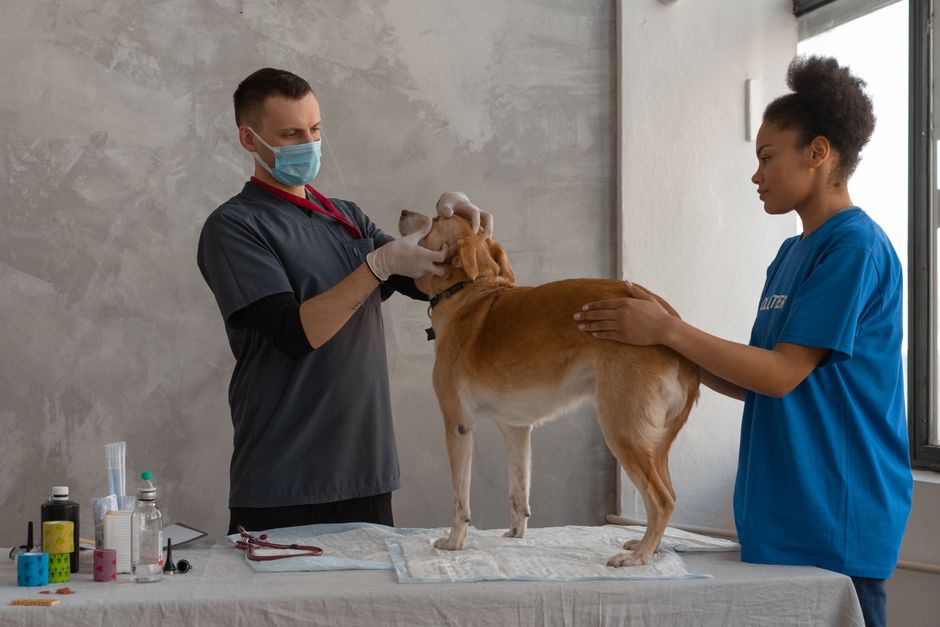
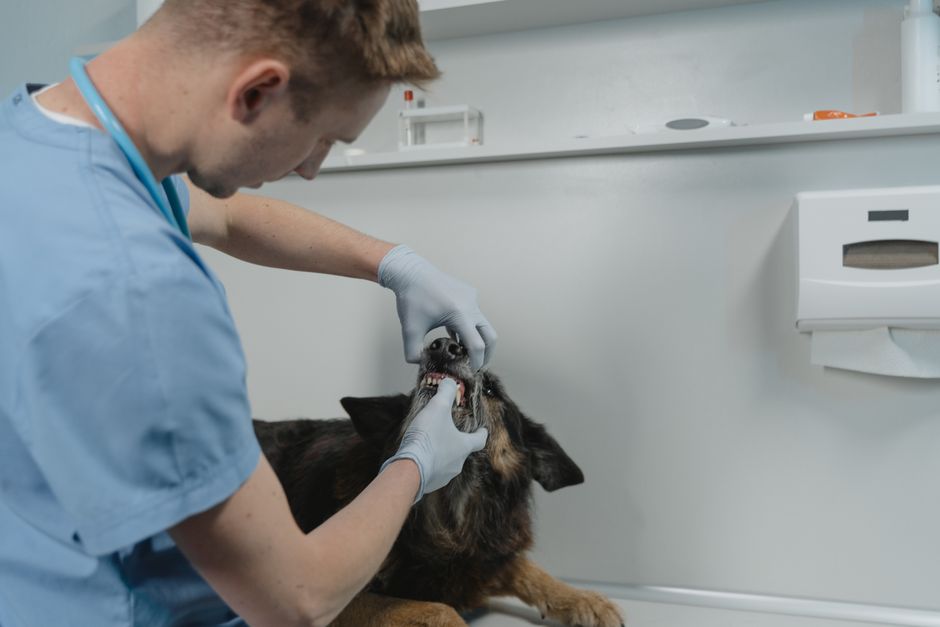
If you suspect your pet is suffering from spring allergies, the first step is to schedule a comprehensive examination at Bergen Veterinary Hospital. During your visit, our veterinary team will conduct a thorough review of your pet’s medical history, lifestyle, and symptoms. A complete physical exam allows us to assess the skin, ears, and overall condition, and may include diagnostic tests to rule out infections or other underlying conditions.
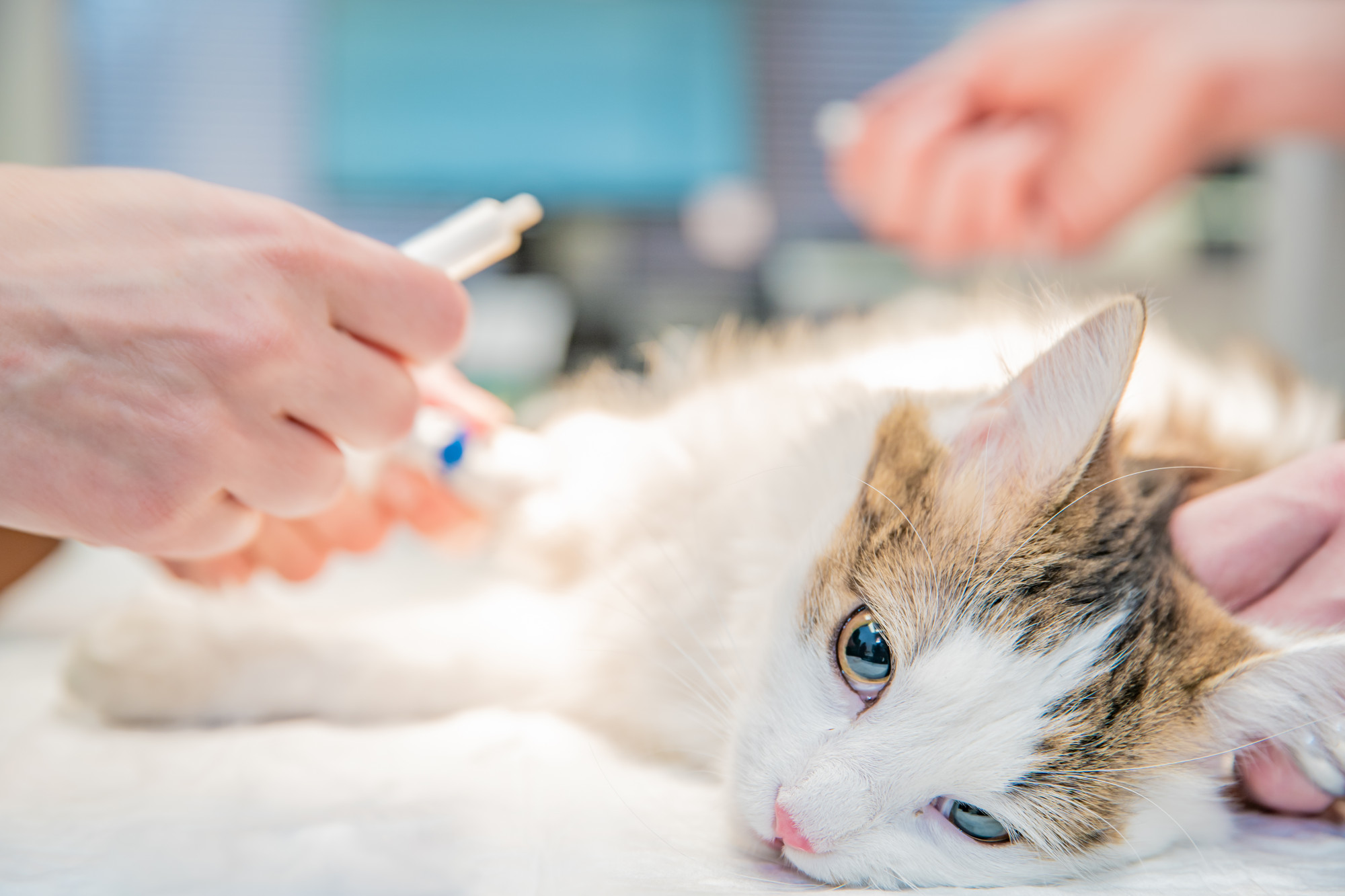
Treatment approaches for pet allergies often involve a combination of therapies tailored to your pet’s specific needs. These may include prescription antihistamines or corticosteroids to reduce inflammation and itching, topical medications or medicated shampoos for soothing irritated skin, and in cases of secondary infection, antibiotics or antifungal medications. For pets with chronic or severe allergies, immunotherapy (allergy shots or oral drops) may be recommended based on allergy testing results. Our in-house laboratory enables us to quickly analyze samples and monitor your pet’s response to treatment, helping us adjust the plan as needed.
The veterinary professionals at Bergen Veterinary Hospital are committed to providing advanced, compassionate care. We understand how frustrating allergies can be for both you and your pet, and we’ll work with you to develop a management plan that brings relief as quickly as possible.
Home Care and Prevention Tips for Spring Allergies
While professional veterinary care is essential for diagnosing and managing allergies, there are also practical steps you can take at home to help minimize your pet’s discomfort. Regular bathing with a veterinarian-approved hypoallergenic shampoo can help remove pollen and allergens from your pet’s coat and skin. Wiping your dog’s paws and belly after walks, especially during high pollen days, can reduce the amount of allergens tracked into your home.
Keep windows closed during peak pollen times, and use air purifiers if possible to lower indoor allergen levels. Washing your pet’s bedding and vacuuming frequently can also make a significant difference in reducing exposure. For cats, encourage indoor play and limit access to open windows during heavy pollen days. Monitoring the local pollen forecast in Teaneck can help you plan outdoor activities for your pet on days when pollen counts are lower.
If your pet is on any prescription treatments, be sure to follow your veterinarian’s instructions closely and alert us if you notice any changes in symptoms or side effects. Never give human allergy medication to your pet without veterinary guidance, as some medications can be harmful to animals. For more comprehensive tips on preventive care, schedule a wellness examination with our team to discuss your pet’s unique needs.
When to Seek Veterinary Care for Your Pet’s Allergies
Not all allergy symptoms require immediate medical attention, but it’s important to know when a visit to the veterinarian is necessary. If your dog or cat is experiencing severe itching that leads to bleeding or open sores, persistent licking or chewing that causes hair loss, frequent ear infections, or signs of respiratory distress such as wheezing or difficulty breathing, prompt veterinary care is essential. Sudden swelling of the face, hives, or vomiting can also indicate a more serious allergic reaction that requires urgent attention.
In addition, if home care strategies are not providing relief, or if your pet’s symptoms seem to be getting worse, schedule an appointment with our veterinary team as soon as possible. Early intervention not only helps your pet feel better faster, but it can also prevent secondary complications like skin infections and chronic inflammation. Bergen Veterinary Hospital provides comprehensive allergy diagnostics, treatment, and ongoing support to keep your pet healthy and comfortable through every season.
If you are ever unsure about the severity of your pet’s symptoms, contacting your veterinarian is always the safest course of action. In urgent situations where your pet is in distress, our emergency veterinary care services are available to provide immediate help.
Supporting Your Pet’s Comfort and Health This Spring
Spring allergies can certainly make life uncomfortable for your dog or cat, but with the right combination of professional care and at-home strategies, you can help your pet enjoy the season with less itching and more tail wags and purrs. At Bergen Veterinary Hospital, our team of veterinarians is dedicated to providing personalized and advanced allergy care for pets in Teaneck and nearby communities.
If you notice signs of allergies in your dog or cat, don’t wait for symptoms to worsen—schedule an appointment with us today for a thorough examination and tailored treatment plan. Whether you need guidance on prevention, require diagnostic testing, or are searching for a compassionate "vet near me," our veterinary professionals are here to support your pet’s health every step of the way. To learn more about allergy care or to book an appointment, call us at (201) 837-3470 or visit our wellness examination and allergy testing pages for additional resources.
Your pet’s comfort and well-being matter to us at Bergen Veterinary Hospital. Let’s work together to make this spring a happier, healthier season for the whole family. If you have any concerns or questions about your pet’s allergies, don’t hesitate to reach out to our team in Teaneck, NJ.