Safe Summer Travel Tips for Teaneck Pet Owners

Safe Summer Travel Tips for Teaneck Pet Owners
Summer is the perfect time for adventures, and many pet owners in Teaneck are eager to include their dogs and cats in family vacations or day trips. Whether you are planning a weekend getaway or a cross-country road trip, ensuring your pet’s safety and comfort while traveling is just as important as packing their favorite toy. At Bergen Veterinary Hospital, located at 1154 Teaneck Rd, Teaneck, NJ 07666, our compassionate team of veterinarians is dedicated to helping you prepare for safe and enjoyable journeys with your four-legged companions. In this blog, we will share essential summer travel safety tips, covering everything from preparing your pet for car rides to maintaining hydration, preventing heat-related issues, and keeping your pet healthy while on the road. You will also learn when to seek professional veterinary advice and how to make the most of our comprehensive services in Teaneck and surrounding communities. If you are wondering how to keep your pet happy, healthy, and stress-free during summer travel, you are in the right place.
Recognizing When Your Pet Needs Special Travel Preparations
Before you set off on your summer journey, it is important to consider how your pet responds to car rides and changes in routine. Some dogs and cats are naturally adventurous, while others may become anxious or even ill during travel. Key signs that your pet may need extra preparation include excessive panting, drooling, whining, or restlessness as soon as the car starts moving. In cats, you might notice vocalization, hiding, or attempts to escape their carrier. Additionally, pets with chronic health issues, those who have not traveled before, or brachycephalic breeds like Bulldogs, Pugs, or Persian cats often require additional attention. If your pet has a history of motion sickness, such as vomiting or diarrhea during previous trips, or if you have noticed any change in their appetite or energy level leading up to your departure, it is wise to address these concerns before hitting the road. Recognizing these signs early allows you to seek guidance from your veterinarian and tailor your travel plans to your pet’s individual needs.
Why Summer Travel Can Be Challenging for Dogs and Cats
Traveling with pets in the summer presents unique challenges. High temperatures can quickly lead to overheating, especially in parked vehicles where temperatures can soar within minutes. Even with the windows cracked, a car can become dangerously hot, putting your pet at risk for heatstroke. In addition to temperature concerns, the excitement and unpredictability of travel can be stressful for pets. Loud noises, unfamiliar environments, and changes in routine may trigger anxiety or confusion. Cats are especially sensitive to changes in their surroundings, and even well-socialized dogs may become nervous in new places. Furthermore, summer is a peak season for fleas, ticks, and mosquitoes, increasing your pet’s risk for parasite exposure, especially if you are traveling to rural or wooded areas. Another consideration is hydration; pets can become dehydrated more quickly when they are active or exposed to warm weather. Understanding these risks is the first step in keeping your pet safe and healthy during summer adventures.
Professional Veterinary Support for Summer Travel
Partnering with a trusted veterinary team before your trip can make all the difference in your pet’s travel experience. Scheduling a wellness examination at Bergen Veterinary Hospital allows our veterinarians to evaluate your pet’s overall health and address any concerns that could affect travel. During this visit, we can review your pet’s vaccination status, offer advice on parasite prevention, and discuss specific travel-related needs such as anxiety management or motion sickness. For pets traveling across state lines or internationally, certain destinations require up-to-date vaccinations and health certificates; our team will ensure all necessary documentation is provided. If your pet requires medication for anxiety or car sickness, we can recommend safe options and demonstrate how to administer them properly. Additionally, our in-house pharmacy and laboratory services mean that any last-minute health checks or prescription needs can be handled efficiently before your departure. By working with our experienced veterinary professionals, you can travel with confidence, knowing that your pet’s health is in expert hands.
Keeping Your Pet Safe and Comfortable on the Road
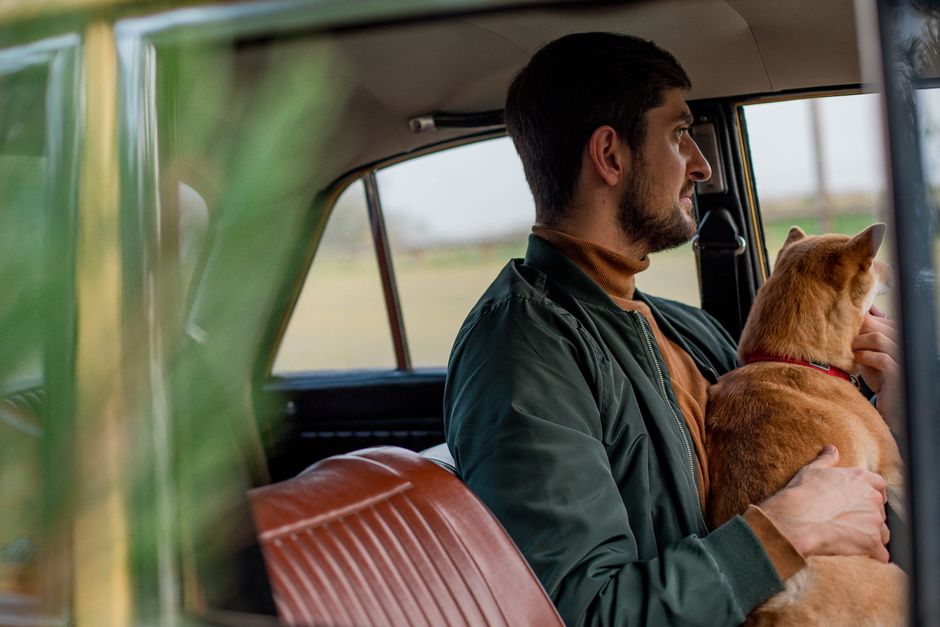
Once you are ready to travel, a few proactive steps will help keep your pet safe and content throughout the journey. Always secure your dog or cat in a well-ventilated crate or carrier that is appropriately sized and anchored in the back seat; this helps prevent injuries in case of sudden stops or accidents. For dogs who prefer seat belt harnesses, ensure the harness is crash-tested and adjusted for a snug fit. Make frequent stops to allow your pet to stretch, relieve themselves, and drink fresh water; travel water bowls and portable bottles are helpful for maintaining hydration on the go. Never leave your pet unattended in a parked vehicle, even for a few minutes, since interior temperatures can become dangerously high very quickly. On particularly hot days, plan to travel during the cooler hours of the morning or evening, and use sunshades or window covers to reduce heat inside the car. Bring familiar items from home, such as a favorite blanket or toy, to help reduce stress and create a sense of security. For longer trips, prepare a travel kit that includes your pet’s regular food, a supply of any medications, vaccination records, and current identification tags. Microchipping your pet adds an extra layer of security in case they become separated from you while away from home.
Hydration and Heat Protection
Staying hydrated is essential for your pet’s health, especially during summer travel. Offer water at every rest stop and monitor for signs of dehydration, which may include dry gums, lethargy, or sunken eyes. Providing ice cubes as occasional treats can also help keep your pet cool and engaged. When outdoors, seek shaded areas for breaks and avoid hot pavement, which can burn your pet’s paw pads. For pets with thick coats or brachycephalic breeds, additional precautions are necessary, as they are more prone to overheating. Signs of heatstroke include excessive panting, drooling, weakness, vomiting, or collapse. If you notice any of these symptoms, move your pet to a cool environment immediately and contact your veterinarian for guidance.
Preventive Care: Preparing Your Pet for a Healthy Trip
Taking preventive measures before traveling will help ensure your pet’s well-being throughout your summer adventures. Schedule a comprehensive pet exam with our veterinary team to check for any underlying health issues and to discuss travel-specific concerns. Keeping your pet’s vaccinations current protects against diseases that may be encountered in new locations, and our vaccination services can help you stay up to date. Parasite prevention is also crucial; use veterinarian-recommended flea, tick, and heartworm preventives, especially if you will be spending time in parks, forests, or near bodies of water. Practice acclimating your pet to their carrier or harness in the weeks leading up to travel by taking short car rides and rewarding calm behavior. Pack enough food and medications to last the entire trip, and bring along your veterinarian’s contact information in case you need assistance while away. Preparing in advance will give you peace of mind and make your travels more enjoyable for both you and your pet.
When to Seek Veterinary Care During Travel
Despite your best preparations, unexpected health issues can arise while traveling. If your pet shows signs of heatstroke, severe anxiety, vomiting or diarrhea that lasts more than a day, refusal to eat or drink, breathing difficulties, or any sudden change in behavior, seek veterinary care as soon as possible. In these situations, prompt attention from a local veterinarian may be necessary, especially if your pet’s condition does not improve with basic first aid. Before you leave home, research emergency veterinary clinics along your travel route and keep this information readily available. If you are traveling within the Teaneck area or plan to return home soon, our team at Bergen Veterinary Hospital is ready to provide emergency veterinary care during regular business hours. Never hesitate to call us for advice if you are unsure whether your pet’s symptoms warrant urgent attention; it is always better to err on the side of caution when your pet’s health is at stake.
The Bergen Veterinary Hospital Difference: Supporting Your Summer Adventures
At Bergen Veterinary Hospital, we know that your pets are cherished family members, and we are committed to supporting their health wherever your summer plans may take you. Our veterinarians and support staff offer comprehensive care, from preventive services to urgent medical attention, all under one roof at our convenient Teaneck location. We serve pet owners throughout Teaneck and surrounding communities, providing expertise, compassion, and the latest veterinary technology. If you are preparing for a trip, schedule an appointment for a wellness exam or vaccination update before you leave. Should you need a "vet near me" during your travels or upon your return, our team is always here to help.
For more information, to make an appointment, or to discuss your pet’s travel needs, contact Bergen Veterinary Hospital at (201) 837-3470. We look forward to helping you and your pet enjoy a safe, healthy, and memorable summer journey. Travel with confidence, knowing that expert veterinary support is always just a call away.
References and Further Reading:
American Veterinary Medical Association: Traveling with Your Pet
CDC: Traveling with Pets
This blog is intended for informational purposes only and does not replace professional veterinary advice. Always consult your veterinarian regarding your pet’s specific health needs before traveling.