Preparing Pets for Stormy September Weather in Teaneck

Preparing Pets for Stormy September Weather in Teaneck
September in Teaneck often brings unpredictable weather, from sudden downpours to loud thunderstorms that leave many pet owners worried about how their dogs and cats will cope. As the autumn season approaches, it is natural to wonder how to keep your pet safe, comfortable, and calm when the skies turn grey. At Bergen Veterinary Hospital, conveniently located at 1154 Teaneck Rd, Teaneck, NJ 07666, our team of veterinarians understands the unique challenges that stormy weather brings for pets and their families. Whether you are concerned about thunderstorm anxiety, wet and muddy paws, or the risk of storm-related injuries, we are here to guide you through practical steps to help your pet weather the season safely.
In this blog, we will explore the signs that your pet may be struggling during storms, explain why stormy weather can be so stressful for dogs and cats, discuss veterinary-supported management strategies, and share tips for prevention and home care. We will also highlight when it is time to schedule an appointment with our veterinary team and how to access emergency veterinary care if your pet needs urgent help. By following these guidelines, you can ensure your pet stays healthy and comfortable throughout Teaneck's rainy September days.
Recognizing When Stormy Weather Is a Problem for Your Pet
Not every pet will react the same way to storms, but there are several signs that indicate your dog or cat may be struggling with the seasonal weather changes. Some pets show obvious signs of stress, while others may develop subtle symptoms that can be mistaken for behavioral issues or even illness. Recognizing these changes early allows you to provide support and, when needed, reach out for veterinary assistance.
Common signs of storm-related anxiety in dogs include trembling, hiding in closets or under furniture, pacing, whining, barking excessively, or seeking constant reassurance from you. Some dogs may pant heavily or even attempt to escape through doors or windows during particularly loud thunder or high winds. Cats may display their distress by hiding in hard-to-reach places, vocalizing more than usual, grooming excessively, or refusing to eat. In both species, storm stress can also manifest as gastrointestinal upset, including vomiting or diarrhea, especially if the anxiety is severe.
Beyond anxiety, wet and muddy conditions can lead to other problems. Pets may develop skin irritation, especially between the toes or on the belly, from prolonged dampness and exposure to mud or puddles. If your pet comes inside limping or licking at their feet after a walk in the rain, it could signal minor injuries or irritation that need attention. Additionally, during storms with lightning or strong winds, pets left outside may be at risk for injuries from falling debris or frightened escape attempts.
Paying close attention to these behaviors and physical signs during stormy weather can help you intervene early, prevent escalation, and know when to contact your veterinarian for advice.
Why September Storms Cause Stress and Health Risks for Pets
The unpredictable and often intense weather in Teaneck during September can be challenging for pets for several reasons. Thunderstorms bring sudden loud noises, flashes of lightning, and changes in atmospheric pressure that many animals find unsettling. For dogs and cats with heightened sensitivity to sound, the rumble of thunder or the crash of heavy rain against windows can trigger a stress response.
Beyond the sensory overload, pets may also pick up on your own stress or changes in household routine that come with stormy weather. If you are rushing to secure your home, move outdoor items, or prepare for potential flooding, your pet may feel the tension and react accordingly. For some pets, past negative experiences during storms, such as being caught outside or separated from their family, can make each new storm even more frightening.
Environmental factors also play a role. Wet conditions can increase the risk of slipping or injuring paws, particularly on slick sidewalks or muddy yards. Standing water can harbor bacteria or parasites, leading to skin infections or gastrointestinal upset if ingested. In rare cases, strong storms may cause power outages, which can disrupt pets' routines and affect the function of home medical equipment for those with chronic health needs.
For pets with underlying health issues, such as arthritis or respiratory disease, damp weather can exacerbate symptoms and lower their tolerance for stress. Understanding these risks underscores the importance of monitoring your pet closely during September’s stormy periods and taking proactive steps to safeguard their health.
Veterinary Management: How Bergen Veterinary Hospital Can Help
If your pet shows signs of significant stress, illness, or injury during or after storms, seeking veterinary care is the best way to ensure their health and well-being. At Bergen Veterinary Hospital, our comprehensive services are designed to support pets through both routine and urgent needs caused by stormy weather.
For pets experiencing severe anxiety, our veterinarians can provide individualized recommendations, which may include behavior modification techniques, pheromone therapy, or prescription medications when appropriate. We will always tailor our approach based on your pet’s specific needs, medical history, and your household environment. In some cases, pets benefit from short-term anti-anxiety medication during the peak storm season, while others respond well to natural calming aids and environmental enrichment.
If your pet develops skin irritation, infections between the toes, or other dermatological issues after exposure to wet conditions, our in-house laboratory and pharmacy allow us to diagnose and treat these problems efficiently. We can provide topical treatments, oral medications, and ongoing monitoring to ensure a quick recovery. For pets that develop gastrointestinal symptoms such as vomiting or diarrhea during stormy periods, prompt evaluation helps us rule out serious concerns and provide supportive care.
Should your pet suffer an injury related to storm conditions, such as a cut, sprain, or more serious trauma, our emergency and critical care services are available during regular business hours. Our team of veterinarians is equipped to handle everything from minor wounds to more complex surgical needs. For life-threatening emergencies, you can find more information about emergency veterinary care and what to do if you need urgent assistance.
Prevention and Home Care: Keeping Your Pet Comfortable During Storms
Taking proactive steps at home can make a significant difference in your pet’s comfort and safety during Teaneck’s unpredictable September weather. Creating a storm-safe space is a helpful first step. This might be a quiet interior room, a cozy crate, or a favorite spot with familiar bedding and toys. Playing calming music or white noise can help mask storm sounds, while closing curtains or blinds can reduce anxiety triggered by flashes of lightning.
Encouraging your pet to use this safe space before a storm arrives can help them associate it with comfort rather than stress. For pets that are particularly noise sensitive, products such as snug-fitting anxiety wraps or pheromone diffusers can provide additional reassurance. Always reward calm behavior with treats, praise, or extra attention to reinforce positive associations.
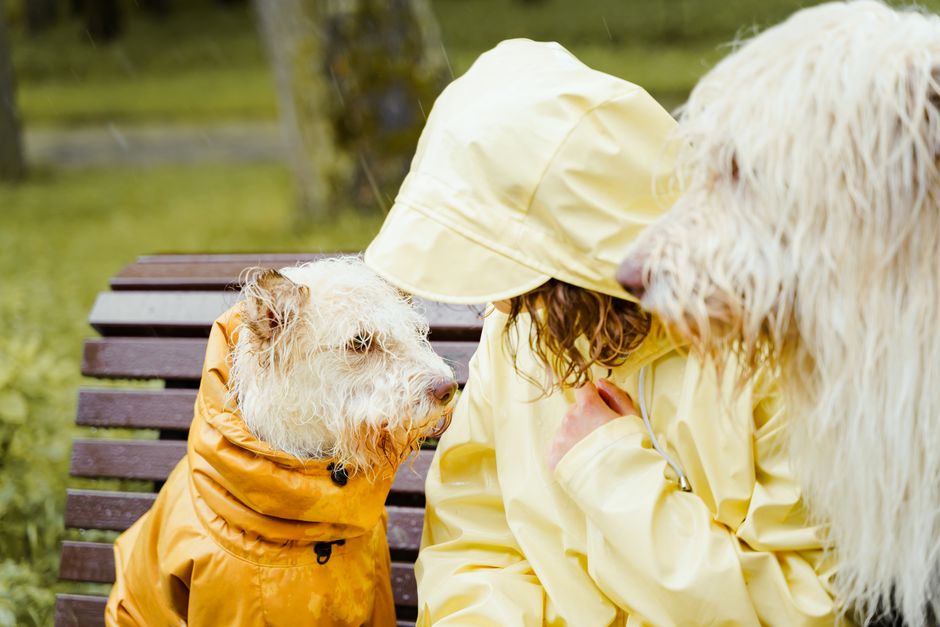
After walks in the rain, be sure to dry your pet thoroughly, paying special attention to the paws, belly, and any skin folds. Checking between the toes for trapped mud or debris and cleaning gently with a damp cloth can help prevent irritation or infection. If your pet has long hair, keeping it trimmed around the feet and belly can minimize the amount of dirt and water that clings to them. For dogs and cats that dislike storms, try to schedule walks or outdoor time during breaks in the weather, and ensure your yard is secure to prevent escape attempts during moments of fright.
Ensuring your pet’s identification tags and microchip information are up to date is always important, but especially so during storm season when frightened pets may bolt or become lost. If you notice that your pet’s anxiety persists even after the storm has passed, or if they refuse to eat, drink, or use the litter box, it may be a sign of more serious stress or illness and should prompt a call to your veterinarian.
When to Seek Veterinary Care: Knowing When Help Is Needed
While many pets cope with stormy weather using the strategies above, there are situations where professional veterinary support is essential. If your pet displays signs such as persistent vomiting or diarrhea, severe lethargy, difficulty breathing, ongoing refusal to eat or drink, or evidence of injury, it is time to contact your veterinarian promptly. Pets that panic and escape during storms may return home with wounds, lameness, or signs of shock and should be evaluated without delay.
For anxiety that does not improve with home care, or if your pet’s reactions to storms are escalating with each event, our veterinarians at Bergen Veterinary Hospital are here to help develop a management plan tailored to your pet’s needs. Quick intervention can make a big difference in your pet’s quality of life during the stormy season.
If your pet is experiencing a life-threatening emergency related to storm exposure or any other urgent condition, access to emergency veterinary care is critical. Our website provides additional emergency veterinary information and resources for pet owners to help you act quickly should the need arise.
Keeping Your Pet Safe This Fall: Partnering With Bergen Veterinary Hospital
Stormy September weather does not have to spell disaster for your pet’s physical or emotional well-being. By recognizing the signs of storm-related stress, understanding the unique risks of the season, and following preventive care steps, you can help your pet stay comfortable and healthy no matter what the weather brings. Remember that the veterinarians at Bergen Veterinary Hospital are always ready to support you, whether you need routine advice or urgent medical care.
If you have concerns about your pet’s reaction to storms, notice any warning signs of illness or injury, or simply want to discuss preventive strategies for the changing season, we encourage you to schedule an appointment with our veterinary team. You can reach us at (201) 837-3470 or visit our location at 1154 Teaneck Rd, Teaneck, NJ 07666. When searching for a vet near me, trust the combination of compassion, expertise, and advanced care that our practice offers to families in Teaneck and surrounding communities.
For more information on urgent care situations, you can also review our emergency veterinary care and emergency veterinary information and resources for pet owners pages. At Bergen Veterinary Hospital, your pet’s safety and comfort during stormy weather—and every season—are always our top priority.