Preventing Fleas and Ticks in Teaneck Pets This Spring

Preventing Fleas and Ticks in Teaneck Pets This Spring
As the first signs of spring appear in Teaneck, pet owners often find themselves worrying about the return of pesky fleas and ticks. These tiny parasites can quickly turn a joyful season into a stressful experience for both dogs and cats, leading to discomfort, skin issues, and even more serious health problems. At Bergen Veterinary Hospital, located at 1154 Teaneck Rd, Teaneck, NJ 07666, we understand how important it is to keep your pet healthy and happy during the warmer months. This blog will guide you through effective strategies for preventing fleas and ticks, how to recognize early warning signs, and when to seek help from our compassionate veterinary team.
As a trusted resource for comprehensive veterinary care in Teaneck and surrounding communities, Bergen Veterinary Hospital is committed to helping you protect your pet with the latest recommendations and preventive care. We will cover what makes fleas and ticks so troublesome, how you can spot a problem early, practical steps for prevention at home, and what professional options are available. Whether you are concerned about a sudden itch or want to set up a proactive prevention plan, our team is here to support you every step of the way.
Recognizing Flea and Tick Problems in Your Pet
Spring’s warmer temperatures and increased humidity create the ideal environment for fleas and ticks to thrive. These parasites are not just a nuisance; they can pose significant health risks to your dog, cat, or exotic small pet. Recognizing the early signs of infestation is the first step in protecting your pet.
Key symptoms of a flea or tick issue include increased scratching, biting, or licking at the skin. You may notice areas of hair loss, redness, or tiny scabs, especially around the neck, tail base, or belly. Fleas leave behind black specks known as “flea dirt,” which is actually their excrement and can often be seen in your pet’s fur or on bedding. Ticks can sometimes be found as small lumps attached to the skin, particularly in areas with less fur such as the ears, armpits, or between toes.
In more severe cases, pets may develop allergic reactions, leading to more intense itching and inflamed skin. Dogs and cats with heavy infestations might seem restless or uncomfortable, and some pets may lose weight or become lethargic if the problem persists. For small pets such as guinea pigs, signs can include patchy fur and visible tiny insects on the coat. If you notice any of these symptoms, it’s important to address them quickly to prevent complications.
Understanding Fleas and Ticks: Why Are They a Threat?
Fleas and ticks are not only irritating but can also transmit diseases to both pets and people. Fleas can cause flea allergy dermatitis, a condition where pets develop intense itching and skin inflammation due to sensitivity to flea saliva. In some cases, fleas may transmit tapeworms if ingested during grooming. For young or small pets, a heavy flea burden can even lead to anemia due to blood loss.
Ticks carry their own set of dangers. In Teaneck and much of New Jersey, ticks are known to spread Lyme disease, anaplasmosis, and ehrlichiosis, all of which can have serious health consequences for your pet. Ticks attach themselves to the skin to feed on blood and may remain unnoticed for several days. Their bites can become infected or trigger allergic reactions in sensitive pets.
Environmental factors play a large role in the prevalence of fleas and ticks. As the weather warms and spring rains arrive, local parks, yards, and wooded areas become hotspots for these parasites. Even indoor-only pets can be at risk if fleas hitch a ride into your home on clothing or shoes. Understanding how these parasites thrive in our community allows you to better prepare and protect your pet throughout the season.
Managing Flea and Tick Infestations: What to Expect from Veterinary Care
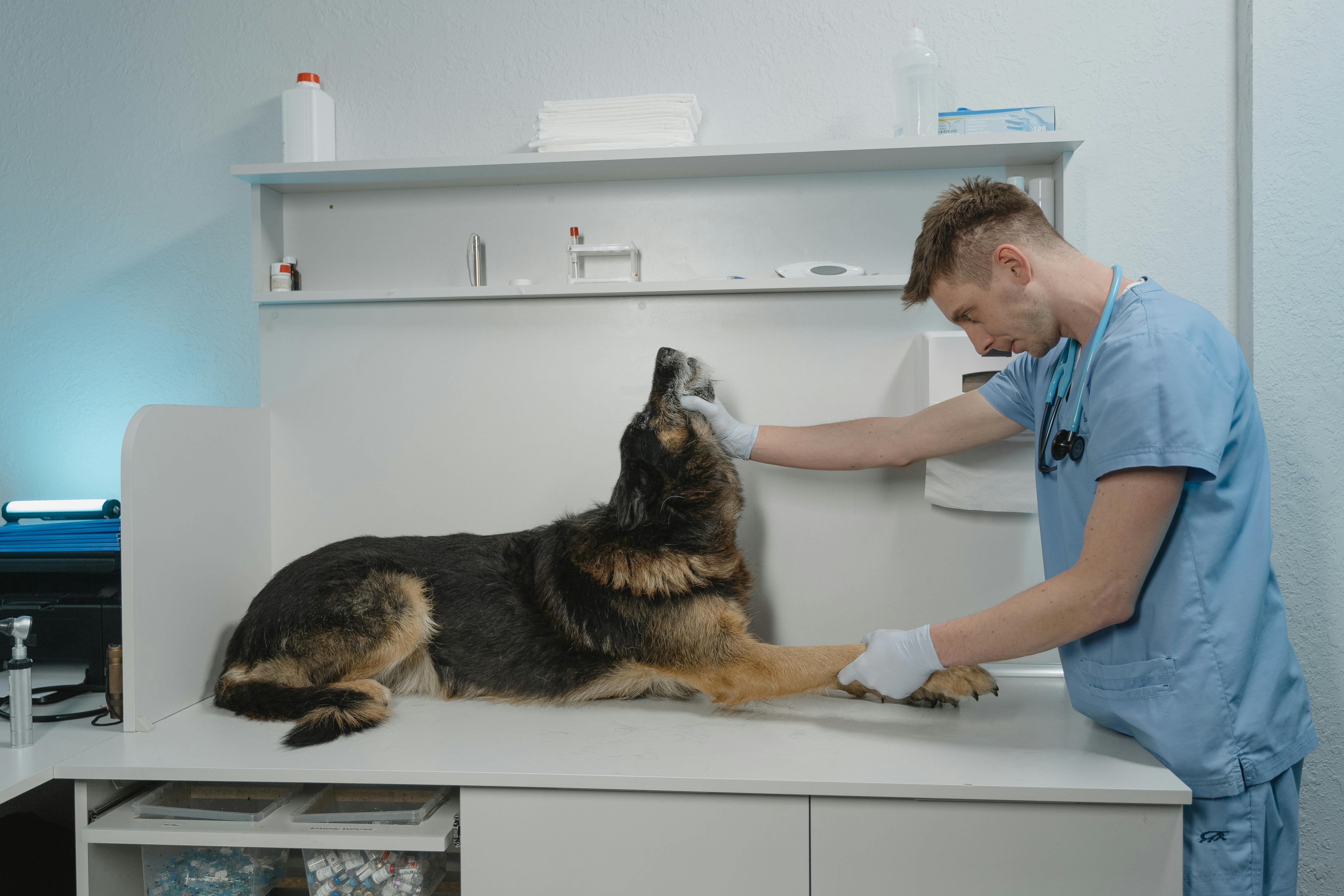
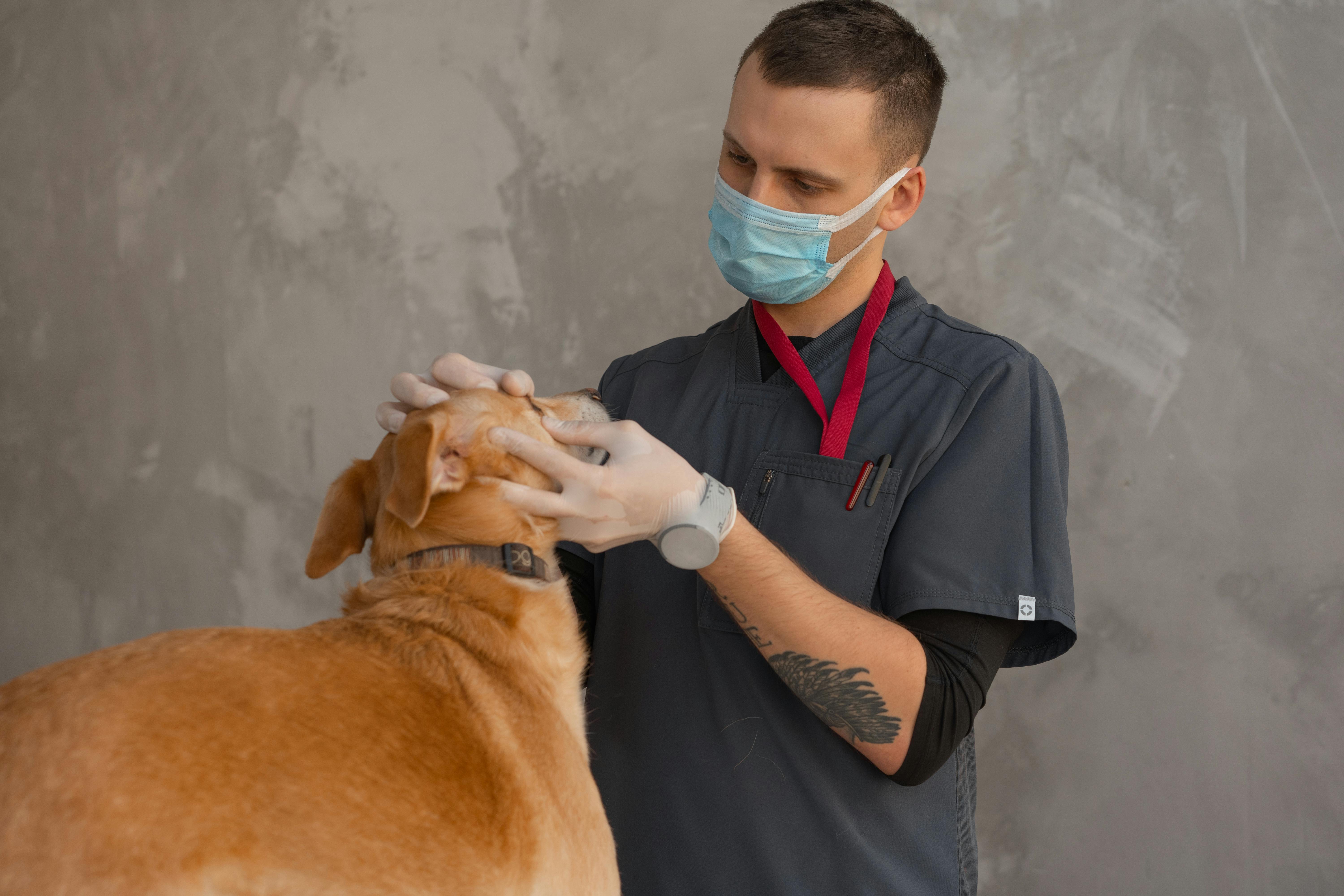
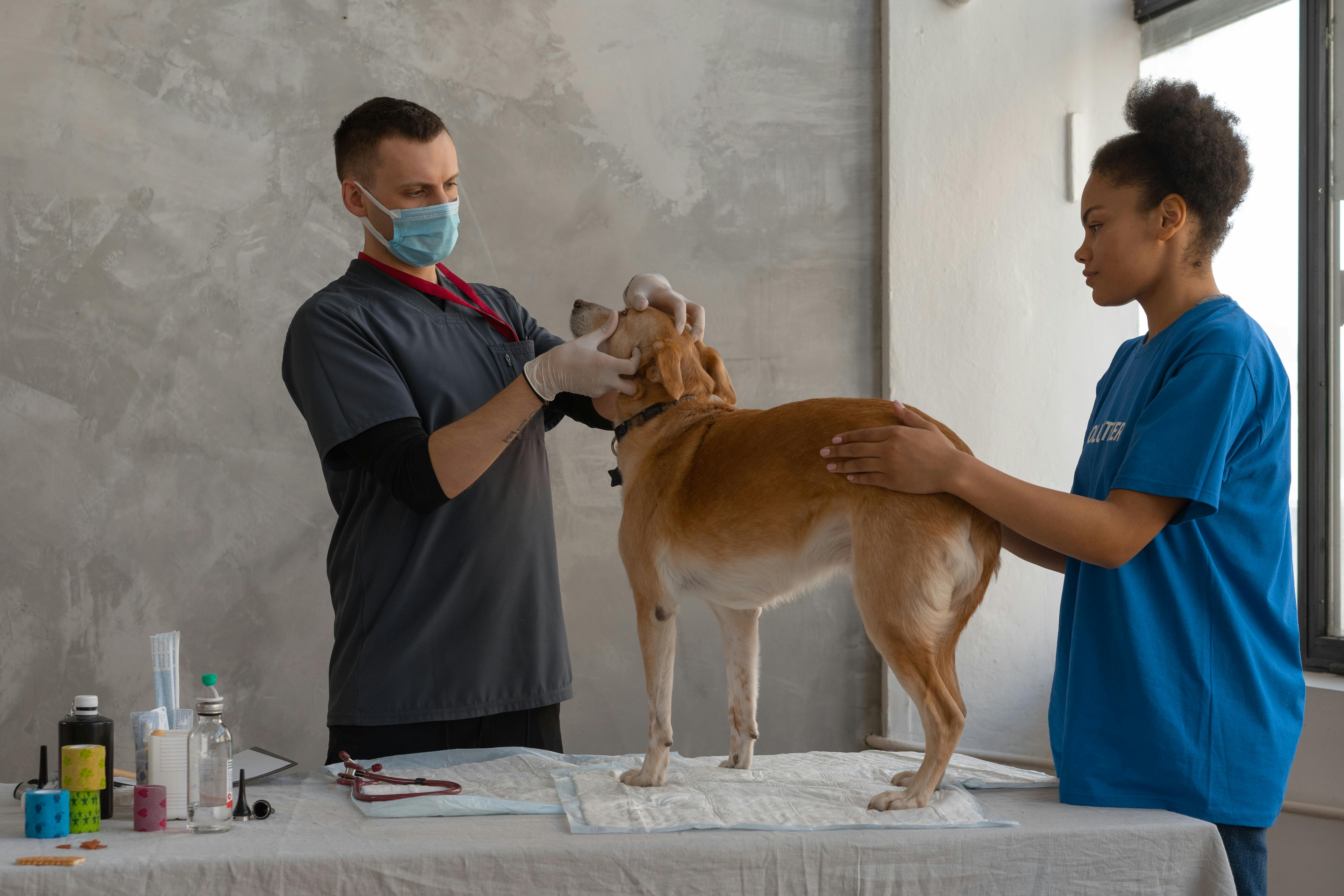
If your pet is experiencing symptoms of a flea or tick problem, professional veterinary care can provide fast relief and help prevent ongoing issues. At Bergen Veterinary Hospital, we begin with a thorough examination to assess the extent of the infestation and evaluate your pet’s overall health. Our in-house laboratory allows for quick testing, which is especially helpful if there are concerns about tick-borne diseases or secondary skin infections.
Treatment for fleas typically involves prescription-strength topical or oral medications designed to kill adult fleas and prevent future infestations by targeting eggs and larvae. These products are much more effective and safer than many over-the-counter options. If your pet has developed a skin reaction, our veterinarians may recommend medicated shampoos or anti-itch medications to soothe irritation. For pets who have suffered from flea allergy dermatitis or have persistent skin problems, our veterinary dermatology services offer targeted treatment plans to restore skin health and comfort.
When it comes to ticks, the first step is safe removal. Our veterinary team uses proper techniques to ensure the entire tick is extracted, reducing the risk of infection. Depending on your pet’s exposure history and symptoms, we may recommend blood tests to check for tick-borne diseases. Follow-up care is important to monitor for delayed reactions or signs of illness.
In cases where your pet is experiencing severe allergic reactions or has developed complications such as anemia or infection, more intensive interventions may be necessary. If you are concerned about your pet’s symptoms or notice sudden changes in their health, our emergency veterinary care is available to provide timely support.
Preventing Fleas and Ticks at Home: Practical Steps for Pet Owners
Taking a proactive approach is the best way to keep fleas and ticks at bay. The foundation of prevention is year-round use of veterinarian-recommended flea and tick control products. These come in various forms, including monthly topical treatments, oral medications, and long-lasting collars. Your veterinarian can help you choose the product best suited for your pet’s age, species, and lifestyle.
Consistent cleaning of your pet’s living areas can further reduce the risk of infestation. Regularly washing bedding, vacuuming carpets, and cleaning upholstery removes flea eggs and larvae before they develop into adults. Paying extra attention to areas where your pet spends the most time, such as favorite sleeping spots or window perches, is especially helpful.
For outdoor pets or those who spend time in the yard, keeping the environment tidy is essential. Mowing the lawn, trimming shrubs, and removing leaf litter helps limit tick habitats on your property. Checking your pet for ticks after walks in wooded or grassy areas is a simple but effective habit. Run your hands over your pet’s entire body, focusing on the ears, neck, and between the toes, to feel for any small lumps that might be attached ticks.
If your pet has had a history of allergies or skin sensitivities, an individualized prevention plan may be necessary. Our allergy testing services can help identify triggers and guide you toward the safest options for your pet. Routine wellness visits are another key element of prevention; these appointments allow our veterinary professionals to check for early signs of parasite exposure and adjust prevention strategies as needed.
When to Seek Veterinary Care for Flea and Tick Issues
While many flea and tick problems can be managed with preventive care and at-home vigilance, there are times when professional help is needed. You should schedule an appointment with our team if you notice persistent scratching, hair loss, or sores that do not heal. The presence of fleas or ticks that do not respond to over-the-counter products, signs of allergic reactions such as swelling or intense redness, or symptoms like lethargy and pale gums all warrant prompt veterinary attention.
It is particularly important to seek help if your pet is very young, elderly, or has a pre-existing health condition, as these animals are more vulnerable to complications. If you find a tick attached to your pet and are unable to remove it safely, or if your pet develops signs of illness such as fever, joint pain, or loss of appetite after a tick bite, call our team without delay.
At Bergen Veterinary Hospital, we encourage you to use our pet examinations as an opportunity to discuss parasite prevention, address any concerns, and ensure your pet is protected year-round. Our veterinarians are equipped to handle both routine and urgent cases, providing peace of mind for pet owners throughout Teaneck and surrounding communities.
Protecting Your Pet All Season: Bergen Veterinary Hospital Is Here for You
As spring unfolds in Teaneck, safeguarding your pet from fleas and ticks is one of the best gifts you can give them. By staying alert to early warning signs, understanding the risks, and committing to consistent prevention, you can keep your dog, cat, or small pet healthy and comfortable all season long. Our team at Bergen Veterinary Hospital takes pride in partnering with you to create individualized prevention plans, offering advanced diagnostics, and providing compassionate care whenever your pet needs it.
If you have questions about flea and tick prevention, need to schedule an exam, or are worried about a possible infestation, please reach out to our team of veterinarians. You can call us at (201) 837-3470 or visit us at 1154 Teaneck Rd, Teaneck, NJ 07666 to schedule an appointment. When searching for a vet near me, trust Bergen Veterinary Hospital to provide the expertise, kindness, and support your pet deserves.
For ongoing pet care tips and more in-depth articles on topics like skin health, allergies, and preventive care, explore our veterinary blog. We are here to help you and your pet enjoy all that spring has to offer, free from the worry of fleas and ticks.