October Dental Health Tips for Teaneck Pets and Exotics

October Dental Health Tips for Teaneck Pets and Exotics
As the crisp autumn air settles into Teaneck and the surrounding communities, many pet owners find themselves settling into new routines for the season. While you may be thinking about cozy sweaters and fall festivities, October is also a vital time to focus on your pet’s dental health. Whether your companion is a playful dog, a curious cat, or a unique exotic species such as a guinea pig, maintaining proper dental care is essential for their comfort and overall wellbeing. At Bergen Veterinary Hospital, located at 1154 Teaneck Rd, Teaneck, NJ 07666, our team of veterinarians is dedicated to providing comprehensive dental services for a wide variety of pets. In this blog, we’ll explore how to recognize dental issues in your pets and exotics, understand the causes behind oral problems, learn about professional treatment options, discover helpful at-home care tips, and know when it’s time to schedule a dental checkup.
Recognizing Dental Problems in Dogs, Cats, and Exotic Pets
Dental disease is one of the most common health concerns in companion animals, often developing silently over time. For pet owners, it’s important to recognize early warning signs before discomfort or disease progresses. In dogs and cats, key symptoms of dental disease include persistent bad breath, visible tartar buildup on the teeth, red or bleeding gums, pawing at the mouth, drooling, reluctance to eat hard food, and changes in chewing habits. You may also notice your pet dropping food, favoring one side of the mouth, or becoming less interested in chew toys.
For small exotic pets such as guinea pigs, rabbits, and chinchillas, dental issues can be even more subtle. Signs to watch for are decreased appetite, weight loss, drooling or wetness around the mouth and chin (often called “slobbers”), visible overgrowth of the front teeth, or difficulty picking up food. Because many exotics have teeth that grow continuously throughout their lives, overgrowth and misalignment can lead to painful sores, abscesses, or even digestive problems. If you notice any of these changes in your pet’s behavior or eating patterns, it’s time to take a closer look at their oral health.
Understanding Why Dental Disease Develops
Dental disease in pets and exotics doesn’t happen overnight. In dogs and cats, the process typically begins when food particles and bacteria combine to form plaque on the surface of the teeth. If not regularly removed through brushing or professional cleanings, plaque hardens into tartar, which can irritate the gums and lead to gingivitis. As the condition advances, bacteria can invade below the gumline, resulting in periodontal disease, tooth loss, and even infections that affect the heart, liver, or kidneys.
In exotic pets, dental issues often have different causes. For species like guinea pigs and rabbits, genetics and improper diet are significant contributors. Diets lacking in fibrous hay can fail to provide the necessary abrasion these pets need to wear down their continuously growing teeth. As a result, overgrown teeth may cause malocclusion, painful spikes, or ulcerations inside the mouth. Even small dental abnormalities can have a major impact on an exotic pet’s ability to eat and remain healthy.
Environmental factors, age, and underlying medical conditions can further complicate dental health in all species. Recognizing the root cause is crucial for effective treatment and prevention.
Professional Dental Care: What to Expect at Bergen Veterinary Hospital
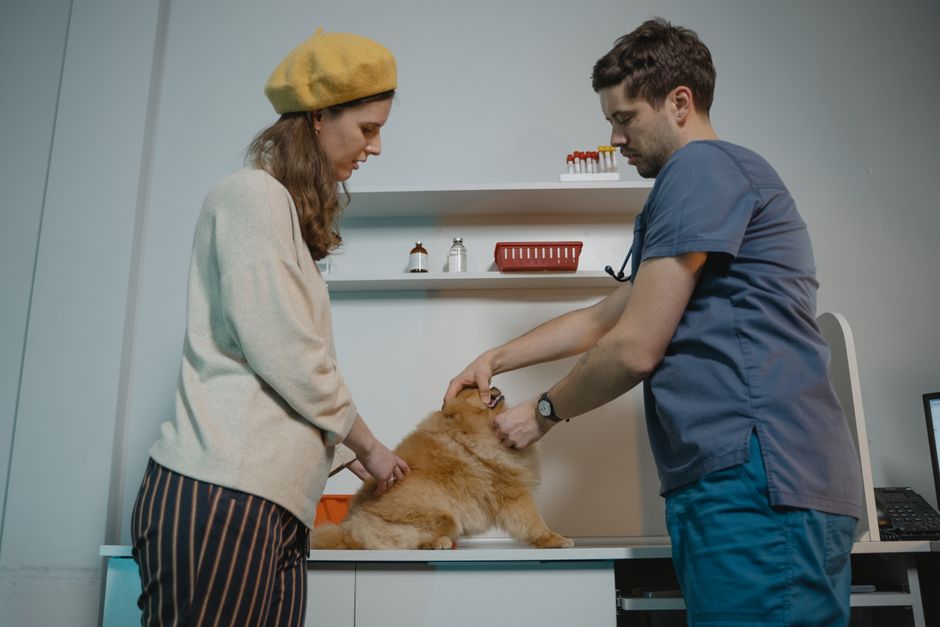
When you bring your pet or exotic companion to Bergen Veterinary Hospital for dental care, our veterinary professionals take a thorough and compassionate approach tailored to each species. The process typically begins with a detailed oral examination, during which our veterinarians assess the teeth, gums, and mouth for signs of disease or discomfort. For a complete picture, we may recommend dental radiography services to evaluate pet teeth and oral health, allowing us to see problems hidden beneath the gumline.
Professional dental cleanings for dogs and cats involve ultrasonic scaling to remove plaque and tartar both above and below the gumline, followed by polishing to smooth the tooth surfaces. When disease is advanced, additional treatments such as pet tooth extraction services for diseased or damaged teeth or more advanced pet oral surgery and advanced dental care may be necessary to restore comfort and prevent further complications.
For exotic pets, dental care often requires specialized equipment and a gentle approach. Our team is experienced in safely trimming overgrown teeth, managing malocclusion, and addressing oral injuries or abscesses. In many cases, anesthesia is required to allow for a thorough examination and treatment, ensuring your exotic companion remains safe and comfortable throughout the procedure.
We understand that dental procedures can feel daunting for pet owners. Our veterinary team will walk you through every step, answer your questions, and ensure your pet receives the highest quality of care.
At-Home Dental Care Tips for Every Species
While professional dental care is essential, daily at-home maintenance plays a major role in preventing dental disease and supporting long-term health.
For dogs and cats, regular tooth brushing with pet-safe toothpaste is one of the most effective ways to reduce plaque buildup. If your pet is new to brushing, start by gently introducing the process with your finger or a soft brush, and gradually work up to a full routine. Dental chews, water additives, and specially formulated dental diets can also support oral health, but these should complement—not replace—brushing and professional cleanings.
Exotic pets require a different approach. For guinea pigs, rabbits, and similar species, the best way to promote dental health is through proper diet. Unlimited access to high-quality hay encourages natural chewing and wears down teeth effectively. Fresh leafy greens and safe chew toys further support oral abrasion. Avoid feeding excessive pellets, seeds, or sugary treats, as these can contribute to dental problems. Regularly observe your exotic pet for changes in eating or grooming behavior, and handle them gently to check for any visible tooth overgrowth.
Regardless of species, keeping up with routine wellness visits is key. Our veterinarians can monitor your pet’s dental health, catch early signs of trouble, and recommend adjustments in diet or care as needed.
When to Schedule a Veterinary Dental Checkup
Knowing when to seek professional veterinary care can make all the difference in your pet’s comfort and health. Schedule a dental evaluation at Bergen Veterinary Hospital if you notice any of the following: persistent bad breath, red or swollen gums, visible tartar, loose or missing teeth, drooling, reluctance to eat, or any change in chewing or eating habits. For exotic pets, decreased appetite, weight loss, drooling, or difficulty eating should prompt an immediate call.
Even if your pet seems comfortable, annual dental checkups are recommended for most dogs and cats, while some exotics benefit from more frequent evaluations depending on their species and dental history. Our team can help determine the right schedule for your companion and address any concerns you may have.
If you are unsure whether your pet needs a dental cleaning or have questions about oral care, please reach out to our veterinary professionals. Prompt attention to dental issues not only relieves discomfort but can also prevent more serious and costly health problems in the future.
Supporting Your Pet’s Dental Health All Year Long
October is an excellent time to prioritize your pet’s dental wellbeing, but oral health is a lifelong commitment. By staying attentive to early warning signs, understanding the unique needs of your pet or exotic companion, and partnering with experienced veterinarians, you can help ensure your animal’s comfort, happiness, and longevity.
If you are searching for a trusted vet near me for dental checkups, cleanings, or advanced care, Bergen Veterinary Hospital is here to help. Our comprehensive dental services, including dental radiography, tooth extractions, and oral surgery, are available for dogs, cats, and many exotic pets in Teaneck and surrounding communities.
To schedule an appointment or learn more about our approach to dental care, call our friendly team at (201) 837-3470 or visit us at 1154 Teaneck Rd, Teaneck, NJ 07666. We look forward to supporting your pet’s health and providing the exceptional veterinary care your family deserves.
This blog is intended for educational purposes only and does not replace professional veterinary advice. Please consult your veterinarian for any specific concerns about your pet’s dental health.