Managing Winter Allergies in Teaneck Pets: Essential Tips

Managing Winter Allergies in Teaneck Pets: Essential Tips
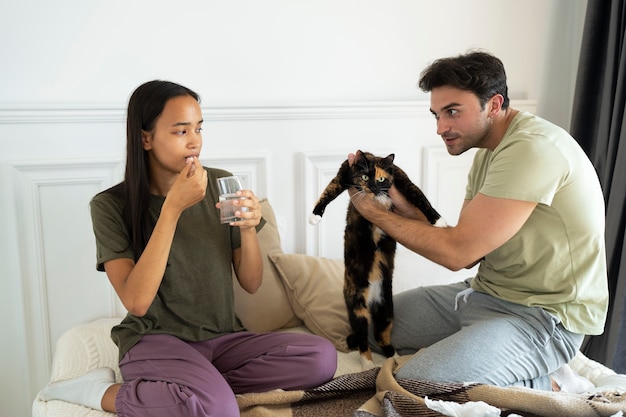
Winter in Teaneck brings crisp air, cozy evenings, and unfortunately for some pets, a new set of allergy challenges. If you notice your dog or cat scratching, sneezing, or showing skin irritation during February and beyond, you are not alone. At Bergen Veterinary Hospital, located at 1154 Teaneck Rd, Teaneck, NJ 07666, we understand how puzzling and frustrating winter allergies can be for pet owners in Teaneck and surrounding communities. Many people assume allergies are just a spring or summer issue, but our veterinary team regularly sees pets suffering from allergic symptoms throughout the colder months as well.
In this comprehensive guide, we will help you recognize the signs of winter allergies in your pet, explain why these issues occur, and share what you can do to manage them at home. We will also discuss how our veterinary professionals can support your pet’s health through diagnostic testing, targeted treatment, and ongoing guidance. Whether you are dealing with mild itching or more severe symptoms, our goal is to help your pet stay comfortable and happy all season long. If you are concerned about your pet’s skin or allergy symptoms, remember you can always schedule an appointment with our caring team for answers and personalized solutions.
Recognizing Winter Allergy Symptoms in Pets
It is not unusual for pet owners to be caught off guard when their cat or dog starts itching or sneezing as the weather turns cold. Winter allergies can look different from the classic springtime reactions to pollen and grass, but they can be just as uncomfortable for your pet.
Key symptoms of winter allergies in pets include persistent scratching, licking, or chewing at the skin, especially around the paws, ears, and belly. You may notice red, inflamed, or flaky skin, as well as hair loss or hot spots developing. For some pets, symptoms also include watery eyes, sneezing, frequent ear infections, or a runny nose. Cats may groom excessively or develop bald patches, while dogs might shake their heads or rub their faces on the carpet.
It is important to observe if these symptoms seem to worsen after time indoors, during or after house cleaning, or when the air in your home is particularly dry. Sometimes, the signs are subtle at first, such as your dog licking its paws more than usual or your cat developing a slightly rough coat. If symptoms persist for more than a few days or seem to be getting worse, it is time to take a closer look and consider whether winter allergies could be the cause.
Understanding the Causes of Winter Allergies
While many pet owners associate allergies with blooming plants and outdoor activities, winter brings its own set of triggers. In Teaneck, where cold temperatures keep pets and people inside more often, environmental factors play a significant role in winter allergy development.
Common causes of winter allergies include increased exposure to indoor allergens such as dust mites, mold spores, and household cleaning products. As windows remain closed to keep out the cold, these allergens can accumulate in the air and on surfaces, making sensitive pets more likely to react. Dry indoor air—common when heaters and radiators are running—can further irritate your pet’s skin and make existing allergies worse.
Some pets may react to wool or synthetic materials found in blankets, bedding, or holiday decorations. Others might be sensitive to the fragrances in air fresheners or scented candles frequently used during the winter months. Even changes in your pet’s diet, such as new treats or seasonal foods, can trigger allergic responses.
Outside, exposure to deicing salts and chemicals on sidewalks can cause paw irritation and allergic reactions, especially if your dog enjoys winter walks around Teaneck. Additionally, certain molds thrive in damp basements and garages, creating another source of allergens for curious pets.
Understanding these factors can help you make informed decisions about your pet’s environment and identify what might be contributing to their discomfort.
How Bergen Veterinary Hospital Diagnoses and Treats Winter Allergies
When your pet is showing signs of allergies, a visit to our veterinary team at Bergen Veterinary Hospital is the first step toward relief. We take a thorough and compassionate approach to diagnosing and managing winter allergies, aiming to uncover the root cause and provide lasting comfort for your pet.
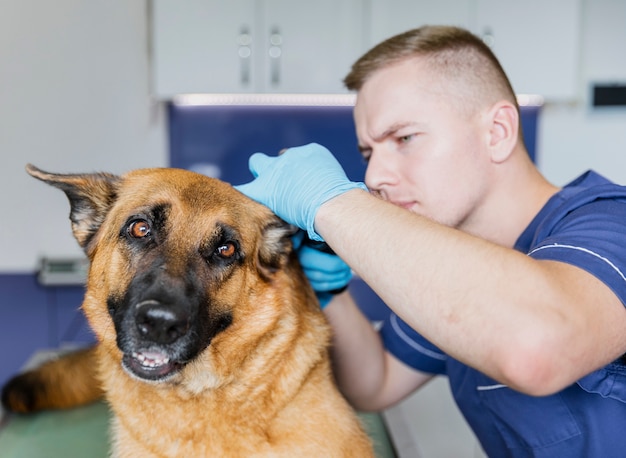
Our process begins with a comprehensive physical exam. During your visit, our veterinarians will carefully evaluate your pet’s skin, ears, and overall health, asking detailed questions about changes in their environment, diet, and daily habits. If allergies are suspected, we may recommend allergy testing to help identify specific triggers. This might involve blood tests, skin tests, or elimination diets, depending on your pet’s history and symptoms.
Once we have a clearer picture of what is causing your pet’s discomfort, our treatment approach is tailored to their individual needs. For many pets, this means a combination of topical therapies, such as medicated shampoos or sprays to soothe irritated skin, and oral medications to control itching and inflammation. Our in-house pharmacy ensures you have access to the latest, most effective medications without delay.
For pets struggling with persistent skin issues, we may recommend advanced options available through our dermatology services. These include targeted therapies, allergy desensitization protocols, and support for chronic conditions like atopic dermatitis. We also provide guidance on managing secondary infections, which are common when pets scratch or lick excessively.
Throughout the process, our veterinary professionals work closely with you to monitor your pet’s progress and adjust the treatment plan as needed. Our goal is to restore your pet’s comfort and quality of life while helping you manage their allergies with confidence.
Home Care and Prevention Tips for Winter Allergies
While professional veterinary care is essential for diagnosing and treating allergies, there are several steps you can take at home to support your pet’s health and reduce their exposure to common winter allergens.
Keeping your home clean and free of dust, mold, and pet dander is a great starting point. Regularly vacuuming carpets, washing bedding, and using air purifiers can help improve indoor air quality. Choosing unscented cleaning products and avoiding strong air fresheners or scented candles can also minimize triggers.
Maintaining optimal humidity levels in your home is important, especially during the winter when dry air can aggravate skin problems. Using a humidifier in the rooms where your pet spends the most time can soothe dry skin and make breathing easier for pets with respiratory allergies.
After outdoor walks, especially in areas treated with deicing chemicals, gently wipe your pet’s paws and belly with a damp cloth to remove irritants. Providing your pet with a balanced, high-quality diet supports healthy skin and a stronger immune system; talk to our veterinarians if you have questions about nutrition.
For pets with known allergies, following any prescribed treatment regimen is critical. Administer medications as directed and monitor for new or worsening symptoms. Routine check-ins with our veterinary team can help catch issues early and ensure your pet stays comfortable year-round.
When to Seek Veterinary Care for Winter Allergies
While mild itching or sneezing may not be cause for alarm, certain signs indicate that your pet needs professional veterinary attention. If your pet’s symptoms persist for more than a week, worsen over time, or interfere with their usual activities, it is time to schedule an appointment. Other warning signs include open sores, hair loss, frequent ear infections, or any signs of secondary infection such as redness, swelling, or discharge.
Difficulty breathing, swelling of the face or throat, or sudden onset of hives are medical emergencies and require immediate veterinary care. If you are ever unsure whether your pet’s symptoms are serious, our veterinary professionals are here to help you make the best decision for their health.
We encourage you to reach out to us at any time if you are concerned about your pet’s well-being. Timely intervention can prevent complications, reduce discomfort, and help your pet return to their playful, happy self.
Supporting Your Pet’s Health Through Every Season
Winter allergies can be a frustrating and uncomfortable experience for both pets and their families, but with the right knowledge and support, you can help your furry companion thrive. At Bergen Veterinary Hospital, our team of veterinarians is dedicated to providing personalized care and expert guidance for every pet in Teaneck and the surrounding communities.
If you notice your dog or cat is struggling with itchy skin, sneezing, or other signs of winter allergies, we invite you to schedule an appointment with our veterinary team. We offer comprehensive exams, allergy testing, and advanced dermatology services to uncover the source of your pet’s discomfort and develop a customized treatment plan.
For those searching for a reliable "vet near me," look no further than Bergen Veterinary Hospital. Our commitment to compassionate care, advanced diagnostics, and ongoing support makes us the trusted choice for pet owners throughout Teaneck. To schedule your visit or discuss your pet’s allergy symptoms, call us at (201) 778-6469 or stop by our convenient Teaneck location. We are here to help your pets enjoy a healthier, more comfortable winter season.
This article is for informational purposes only and is not a substitute for professional veterinary advice. Always consult your veterinarian for diagnosis and treatment recommendations tailored to your pet’s specific needs.
References:
- American College of Veterinary Dermatology: https://www.acvd.org/
- Cornell University College of Veterinary Medicine: https://www.vet.cornell.edu/
- American Veterinary Medical Association: https://www.avma.org/resources-tools/pet-owners/petcare/allergies-pets