Managing Itchy Skin in Pets During Rainy June

Managing Itchy Skin in Pets During Rainy June
As the rainy days of June settle over Teaneck and the surrounding communities, many pet owners start to notice a sudden uptick in scratching, licking, and general skin discomfort in their dogs and cats. At Bergen Veterinary Hospital, located at 1154 Teaneck Rd, Teaneck, NJ 07666, our veterinary team often receives calls from concerned families wondering why their pet seems so much itchier as the weather turns muggy and unpredictable. If you’re seeing signs of skin irritation in your furry companion this month, you’re not alone. This blog will walk you through the most common causes of itchy skin during the June rains, how to spot trouble early, practical ways to soothe your pet at home, and how our team can help when the itching just won’t quit. We’ll also share when it’s time to schedule an appointment with our veterinarians in Teaneck—and why prompt care is essential for your pet’s comfort and health.
How to Recognize Itchy Skin in Your Pet
Itchy skin, or pruritus, can show up in a variety of ways, and sometimes the signs may be subtle at first. Key symptoms include frequent scratching, licking, or chewing at the skin, especially around the paws, belly, and base of the tail. You might notice your dog rolling more on the carpet or your cat obsessively grooming a particular patch of fur. Other signs are redness, bumps, or scabs on the skin; hair loss in certain areas; and even a musty or unpleasant odor coming from your pet’s coat. Some pets may become restless, have trouble settling down, or seem more irritable due to constant discomfort.
In severe cases, the skin can become inflamed or develop open sores from excessive scratching. If you notice your pet shaking their head repeatedly, it could be a sign of ear involvement, which often goes hand-in-hand with skin allergies. Seeing these signs early can help you address the problem before it escalates, so keep a close eye on your pet’s daily habits during the damp and humid June weather.
Why Do Pets Get So Itchy During Rainy June?
The combination of increased moisture, warmer temperatures, and blooming plant life creates a perfect storm for skin issues in pets. Several factors contribute to itchy skin during this time of year.
Environmental Allergens
June’s rainy weather encourages the growth of molds, pollen, and grasses. Dogs and cats can develop allergies to these environmental triggers, leading to a condition called atopic dermatitis. When pets come into contact with or inhale these allergens, their immune system reacts, causing inflammation and itching. Commonly affected areas include the feet, face, ears, and belly, which often come into direct contact with grass and outdoor debris.
Fleas and Other Parasites
Rain and humidity can drive a surge in flea populations. Flea bites are intensely itchy for pets, and even indoor-only animals can be exposed if fleas hitch a ride inside. Some pets develop flea allergy dermatitis, meaning just a few bites can trigger a major skin reaction. Ticks and mites are also more active during wet weather, so regular checks are important.
Skin Infections
Warm, moist skin is more prone to bacterial and yeast infections. These secondary infections often develop when pets scratch or lick themselves excessively, creating small breaks in the skin. Signs of infection can include redness, swelling, discharge, and an unpleasant smell.
Other Factors
Sometimes, frequent bathing to remove mud and allergens can actually strip natural oils from your pet’s skin, making them more prone to dryness and irritation. Certain breeds with skin folds, such as Bulldogs and Persians, are especially vulnerable to moisture-related skin problems in the rainy season.
How Our Veterinary Team Treats and Manages Itchy Skin
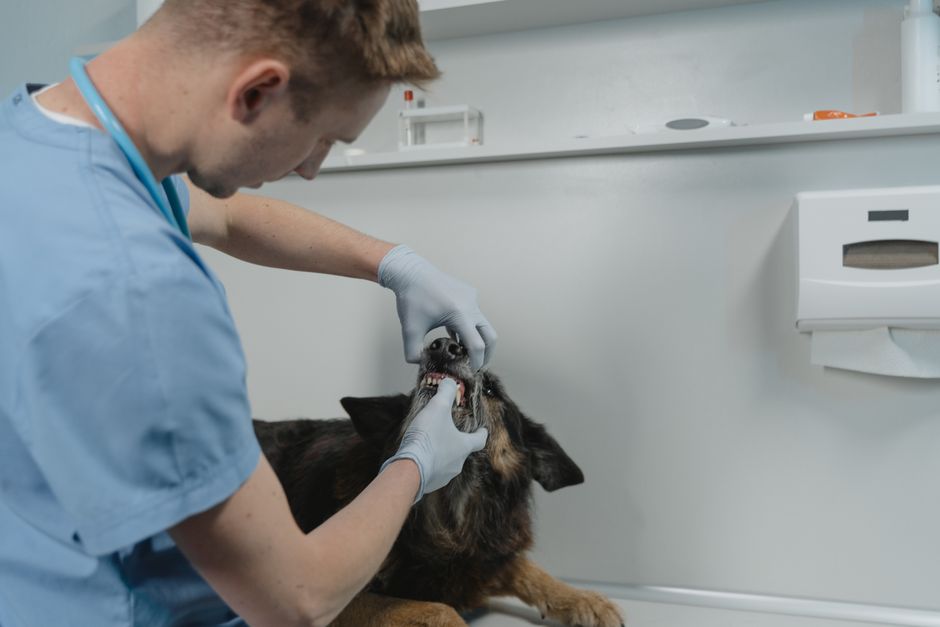
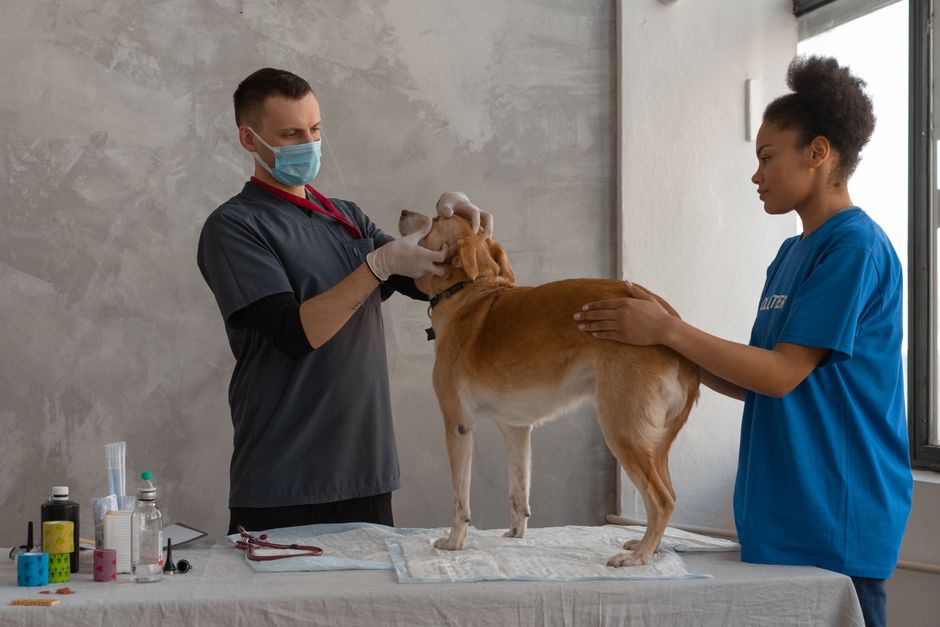
When you bring your itchy dog or cat to Bergen Veterinary Hospital, our veterinarians begin with a thorough examination to pinpoint the cause of your pet’s discomfort. Diagnostic steps often include reviewing your pet’s recent history, performing a detailed skin and coat assessment, and sometimes recommending additional testing. For example, our in-house laboratory allows us to quickly check for parasites, skin infections, and other underlying conditions.
If environmental allergies are suspected, our team may suggest allergy testing services to identify specific triggers. Understanding what’s causing your pet’s itchiness allows us to tailor a treatment plan that could involve antihistamines, prescription diets, medicated shampoos, or topical therapies. In some cases, we may recommend immunotherapy to help your pet build tolerance to certain allergens.
For pets suffering from secondary infections, treatment approaches involve antibiotics or antifungal medications, either applied directly to the skin or given orally as needed. When fleas or ticks are the culprit, our veterinarians will prescribe safe and effective parasite prevention tailored to your pet’s needs and lifestyle.
Our practice also provides veterinary dermatology services for more complex cases, ensuring that even persistent or recurrent skin issues are addressed with advanced diagnostics and targeted therapies. Throughout the process, we work closely with you to monitor your pet’s response and adjust the plan as needed for maximum comfort and long-term relief.
Home Care Tips for Soothe and Prevent Itchy Skin
While professional veterinary care is essential for diagnosing and treating underlying causes, there is a lot you can do at home to help your pet feel more comfortable during the rainy June season.
Bathing your dog or cat with a gentle, veterinarian-approved shampoo can help remove allergens and soothe irritated skin; however, it’s important not to over-bathe, as this can exacerbate dryness. Always dry your pet thoroughly after baths or walks in the rain, paying special attention to skin folds, armpits, and between the toes where moisture can linger.
Keep your home clean by vacuuming regularly and washing your pet’s bedding in hot water. Using an air purifier can help reduce indoor allergens, while wiping your pet’s paws and belly after outdoor excursions can limit contact with pollens and grasses. For pets prone to allergies, feeding a balanced diet rich in omega-3 fatty acids may support healthy skin and reduce inflammation.
Flea and tick prevention is especially important during and after the rainy season. Speak with our veterinary team about the best products for your pet’s individual risk factors and lifestyle.
Monitor your pet’s skin for any changes, and avoid using over-the-counter creams or medications unless directed by a veterinarian, as some human products can be toxic to pets.
When to Schedule a Veterinary Appointment for Itchy Skin
Mild, occasional scratching is a normal part of pet behavior, especially during allergy season. However, it’s time to schedule a visit with our veterinarians if your pet’s itching becomes persistent, if you see red or raw patches, hair loss, or signs of infection. Additional warning signs include head shaking, ear odor, swelling, or if your pet seems distressed or in pain.
Prompt attention is especially important if your pet is a young puppy or kitten, has a weakened immune system, or if the itching is interfering with their appetite, sleep, or daily activities. Delaying treatment can allow minor skin problems to become serious health concerns, so don’t hesitate to reach out for guidance.
Our veterinary professionals at Bergen Veterinary Hospital are here to help you restore your pet’s comfort and address the root causes of their itching. For ongoing or seasonal skin issues, consider a wellness examination to ensure your pet’s overall health is on track.
Why Choose Bergen Veterinary Hospital for Your Pet’s Skin Health?
Caring for your pet’s skin is about more than just stopping the itch; it’s about protecting their overall well-being and happiness. At Bergen Veterinary Hospital, our compassionate team combines advanced diagnostics, personalized treatment plans, and a supportive approach to help your pet thrive—rain or shine. We’re proud to serve families in Teaneck and surrounding communities, building lasting relationships with the pets who share your home and your heart.
If you’re searching for a trusted vet near me to help with itchy skin or other concerns, our team is ready to support you with expert care and a gentle touch. To schedule an appointment or discuss your pet’s symptoms, call us at (201) 837-3470, or visit us at 1154 Teaneck Rd, Teaneck, NJ 07666. Together, we can help your pet enjoy a comfortable, itch-free summer season.
This blog is intended for informational purposes only and should not replace professional veterinary advice. If your pet is experiencing severe symptoms or sudden changes in behavior, please contact your veterinarian promptly for an in-person evaluation.