Is Your Pet Ready for Fall Allergies in Teaneck?

Is Your Pet Ready for Fall Allergies in Teaneck?
As the leaves begin to change and a crisp breeze fills the air in Teaneck, many pet owners find themselves reaching for tissues and allergy medications. But did you know that autumn allergies can affect your dogs and cats as well? At Bergen Veterinary Hospital, located at 1154 Teaneck Rd, Teaneck, NJ 07666, our veterinarians see a noticeable uptick in itchy, uncomfortable pets every September. Just like people, pets can experience seasonal allergies that make fall less enjoyable. Whether it is your dog constantly licking their paws or your cat scratching at their face, these signs can be more than just a minor nuisance. In this blog, we will help you recognize the symptoms of fall allergies in dogs and cats, explore the most common causes, walk you through how our team diagnoses and treats allergy-related skin problems, and share practical tips for keeping your furry family members comfortable as autumn settles in across Teaneck and surrounding communities.
If you are concerned about your pet’s scratching, sneezing, or skin irritation, our veterinary dermatology services are here to help. Read on to learn how you can spot the signs of allergies and ensure your pet enjoys a happy, itch-free fall.
Recognizing Fall Allergy Symptoms in Dogs and Cats
Autumn is a beautiful time in North Jersey, but it can also bring a host of irritating symptoms for sensitive pets. Knowing what to look for is the first step in helping your pet feel better. Key signs of fall allergies in dogs often include persistent scratching, chewing or licking at the paws, red or inflamed skin, and frequent ear infections. Cats may display symptoms such as over-grooming to the point of hair loss, itchiness around the face and neck, or the appearance of small scabs on the skin. Additionally, both dogs and cats can experience watery eyes, sneezing, and even changes in their normal behavior, such as restlessness or irritability, due to discomfort. It is important to remember that while these symptoms are common with allergies, they can also indicate other health problems, so an accurate diagnosis is essential.
Pets with seasonal allergies frequently show an increase in symptoms shortly after spending time outdoors, especially during or after walks, in the yard, or when exposed to open windows during high pollen days. If you notice that your pet’s itching or other symptoms seem to flare up after outdoor activities, this may be a clue that fall allergens are the culprit.
What Causes Fall Allergies in Teaneck Pets?
While spring is famous for pollen, autumn brings its own set of allergy triggers, particularly in northern New Jersey. The most common causes of fall allergies in pets are environmental allergens such as ragweed pollen, mold spores that thrive in piles of fallen leaves, and dust mites that accumulate as homes are closed up for cooler weather. Pets can also react to grass pollens that linger late into the season or to certain insects that become more active during autumn. For some sensitive pets, even a change in household cleaning products or the use of scented candles indoors can exacerbate allergy symptoms.
In dogs and cats, these allergens typically trigger a response called atopic dermatitis, which is an inflammation of the skin caused by an overactive immune system. Unlike people, who often experience respiratory symptoms, pets with allergies are more likely to develop skin irritation and secondary infections. Cats, in particular, may develop what is known as eosinophilic granuloma complex, a condition where allergic reactions cause raised sores or ulcers on the skin or in the mouth. Understanding the unique set of triggers your pet faces as the seasons change is the first step toward relief.
How Bergen Veterinary Hospital Diagnoses and Treats Allergies
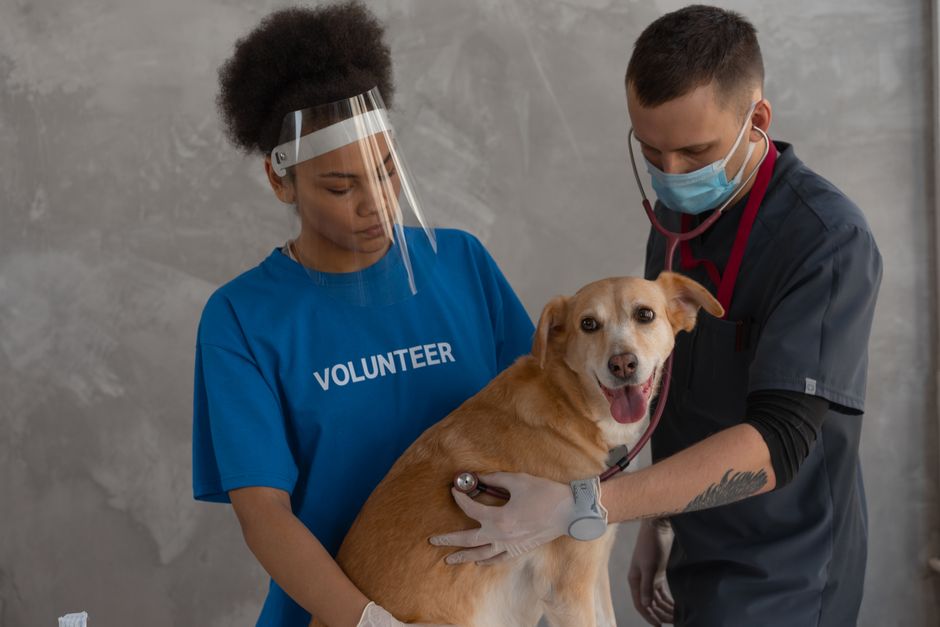
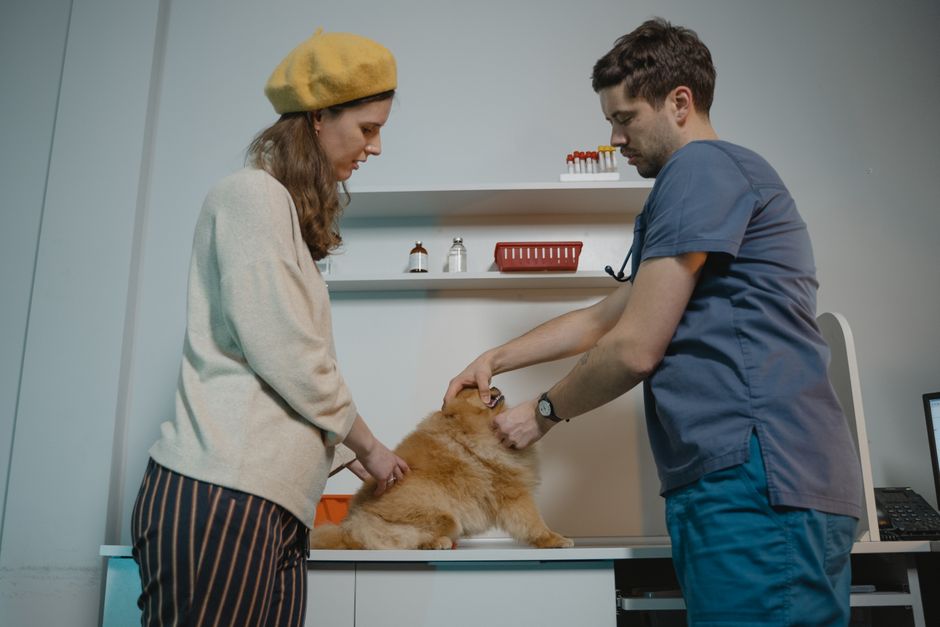
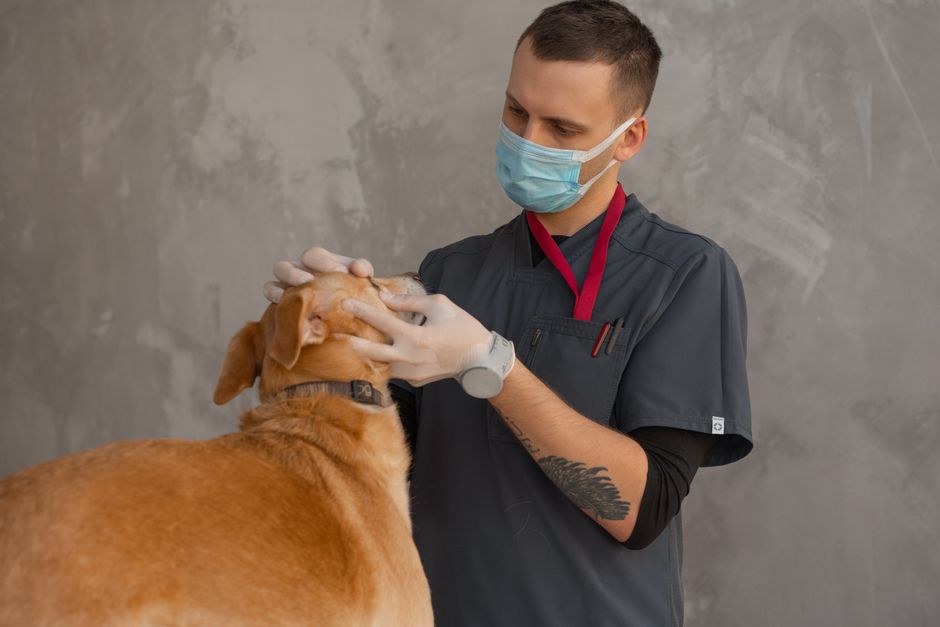
When you schedule an appointment at Bergen Veterinary Hospital because your pet is itchy or uncomfortable, our veterinary team begins with a thorough physical examination and a detailed history of your pet’s symptoms and environment. We will ask about recent changes in your home, any new foods or treats, and how your pet’s symptoms vary throughout the day or after outdoor activities. Our in-house laboratory allows us to quickly rule out other causes of skin problems, such as parasites or infections, and to check for underlying medical conditions that may complicate allergies.
If allergies are suspected, our veterinarians may recommend advanced diagnostics such as skin scrapings, cytology, or blood tests to identify the specific triggers. For persistent or severe cases, we may suggest veterinary allergy testing services, which help pinpoint the exact allergens affecting your dog or cat. This information guides us in developing a tailored treatment plan that suits your pet’s needs.
Treatment approaches for fall allergies often involve a combination of topical therapies, such as medicated baths or sprays, oral medications to reduce itching and inflammation, and prescription diets or supplements that support healthy skin. In some cases, immunotherapy (allergy shots or drops) may be recommended to help your pet build tolerance to specific allergens. For pets with secondary infections due to scratching, antibiotics or antifungal medications may be necessary. Throughout the process, our veterinary professionals work closely with you to monitor your pet’s progress and adjust the treatment plan as needed to ensure lasting relief.
Home Care Tips for Managing Fall Allergies
Helping your pet cope with autumn allergies goes beyond veterinary treatment; there are many steps you can take at home to minimize exposure and boost comfort. Regularly wiping your dog’s paws and underside with a damp cloth after outdoor walks can remove pollen and mold spores before they have a chance to irritate the skin. Vacuuming frequently, using air purifiers, and keeping windows closed on high pollen days can reduce indoor allergen levels. Bathing your pet with a gentle, veterinarian-approved shampoo as recommended by our team can help soothe irritated skin and wash away allergens.
For cats, maintaining a clean litter box and reducing dust in the home environment can be especially helpful. Avoid using strong-scented cleaners, air fresheners, or candles that may worsen symptoms. Providing your pet with a high-quality diet rich in essential fatty acids can help support healthy skin and reduce inflammation. If your pet is prescribed topical or oral medications, be sure to follow dosing instructions closely and keep all follow-up appointments so our veterinarians can track your pet’s improvement.
When to Schedule a Veterinary Visit for Allergies
While mild allergy symptoms may be manageable at home, it is important to recognize when your pet needs professional care. You should schedule an appointment with our veterinarians if your dog or cat is scratching or licking so much that it causes hair loss, open sores, or bleeding. Persistent ear infections, changes in appetite or behavior, or signs of pain such as reduced activity or reluctance to be touched are also red flags. Allergies can quickly lead to secondary infections or chronic skin problems if left untreated, so timely intervention is critical.
If you are unsure whether your pet’s symptoms are due to allergies or another health issue, our team at Bergen Veterinary Hospital is always here to provide guidance and support. Early diagnosis and appropriate treatment can make all the difference in your pet’s quality of life, especially during peak allergy season in Teaneck.
Support and Relief for Fall Allergy Season in Teaneck
As autumn arrives in Teaneck, being proactive about your pet’s health can help keep allergy symptoms in check and ensure a more comfortable season for everyone in your household. By recognizing the signs of fall allergies, understanding potential causes, and taking steps to reduce exposure to triggers, you are already on your way to supporting your pet’s wellbeing. Our veterinary professionals are committed to providing compassionate, comprehensive care for all of your pet’s seasonal health needs.
If your pet is struggling with itchy skin, frequent ear infections, or other allergy symptoms, do not wait for their discomfort to worsen. Schedule an appointment at Bergen Veterinary Hospital by calling (201) 837-3470 or visiting us at 1154 Teaneck Rd, Teaneck, NJ 07666. Our dermatology services and allergy testing services are available to help diagnose and treat your pet’s unique needs. When searching for a vet near me, trust the team at Bergen Veterinary Hospital to deliver the care and expertise your pets deserve—so everyone can enjoy the beauty of fall together.
Disclaimer: This blog is for informational purposes only and is not a substitute for professional veterinary advice. Always consult with your veterinarian for specific concerns about your pet’s health.