How To Tackle Muddy Paws And Shedding In Early Spring


How To Tackle Muddy Paws And Shedding In Early Spring
As the last frost melts away and early spring arrives in Teaneck, pet owners often find themselves dealing with two familiar seasonal challenges: muddy paws and increased shedding. If your home is starting to show evidence of wet paw prints or if you notice more fur clinging to your furniture, you are not alone. The transition from winter to spring brings unique obstacles for both pets and their people, but with the right knowledge and support, you can keep your home cleaner and your pet healthier. At Bergen Veterinary Hospital, located at 1154 Teaneck Rd, Teaneck, NJ 07666, our veterinary team is here to help you navigate muddy paw season and manage that burst of springtime shedding with confidence. In this blog, we will explore why these issues occur, how to recognize when they might signal a health concern, and what you can do at home—plus when to schedule an appointment for extra support.
Recognizing the Signs: Is Your Pet Struggling With Muddy Paws or Shedding?
The thaw of March often means daily walks that end with muddy footprints in the entryway and a noticeable uptick in shedding as your pet’s winter coat makes way for lighter spring fur. Common signs that muddy paws are becoming a problem include persistent dirt or grit on your floors, spotting paw stains on carpets, or noticing that your pet is licking their feet more frequently after walks. For shedding, you may find more fur around the house, increased hair on your pet’s bedding, or even patches of thinning hair if grooming is not keeping up with the seasonal shed.
While these changes are usually normal, it is important to pay attention to your pet’s comfort and appearance. If you notice red, irritated skin between the toes, persistent licking, bald spots, or excessive scratching, these could be signs of underlying issues such as allergies, infections, or skin conditions. Shedding that leads to visible bald patches or sores also warrants a closer look. Understanding the difference between normal seasonal changes and symptoms that may require veterinary attention is key to keeping your pet comfortable and healthy all spring long.
Why Do Muddy Paws and Shedding Happen in Early Spring?
Spring in Teaneck brings a mix of melting snow, rain, and fresh growth, creating the perfect conditions for mud. Dogs and outdoor cats are likely to pick up more dirt and moisture on their paws during walks or backyard play. The combination of thawed soil and spring rains leads to muddy patches that can be tough to avoid, especially in parks or along popular walking routes.
Shedding, on the other hand, is a natural process influenced by changes in daylight and temperature. As days grow longer and warmer, pets often lose their thick winter coats to regulate their body temperature. Breeds with double coats, such as retrievers, huskies, and many mixed breeds, are especially prone to noticeable shedding during this time. Even short-haired dogs and cats may shed more than usual as they adjust to the new season.
In some cases, environmental allergens like pollen, mold, or grass can complicate matters, leading to skin irritation and further increasing the urge to lick or scratch paws. If you suspect your pet is struggling with allergies along with seasonal shedding, our team can discuss options such as allergy testing and skin health evaluations.
Managing Muddy Paws: Professional and At-Home Solutions
The first step to minimizing muddy paw mess is a consistent cleaning routine. Keep a towel or washable mat by the door to wipe your pet’s feet as soon as you come inside. For dogs with longer fur between their toes, gentle trimming can reduce the amount of mud and debris that clings to their feet. Using a shallow basin of lukewarm water can help rinse away stubborn dirt, but be sure to dry paws thoroughly to prevent irritation or fungal growth.
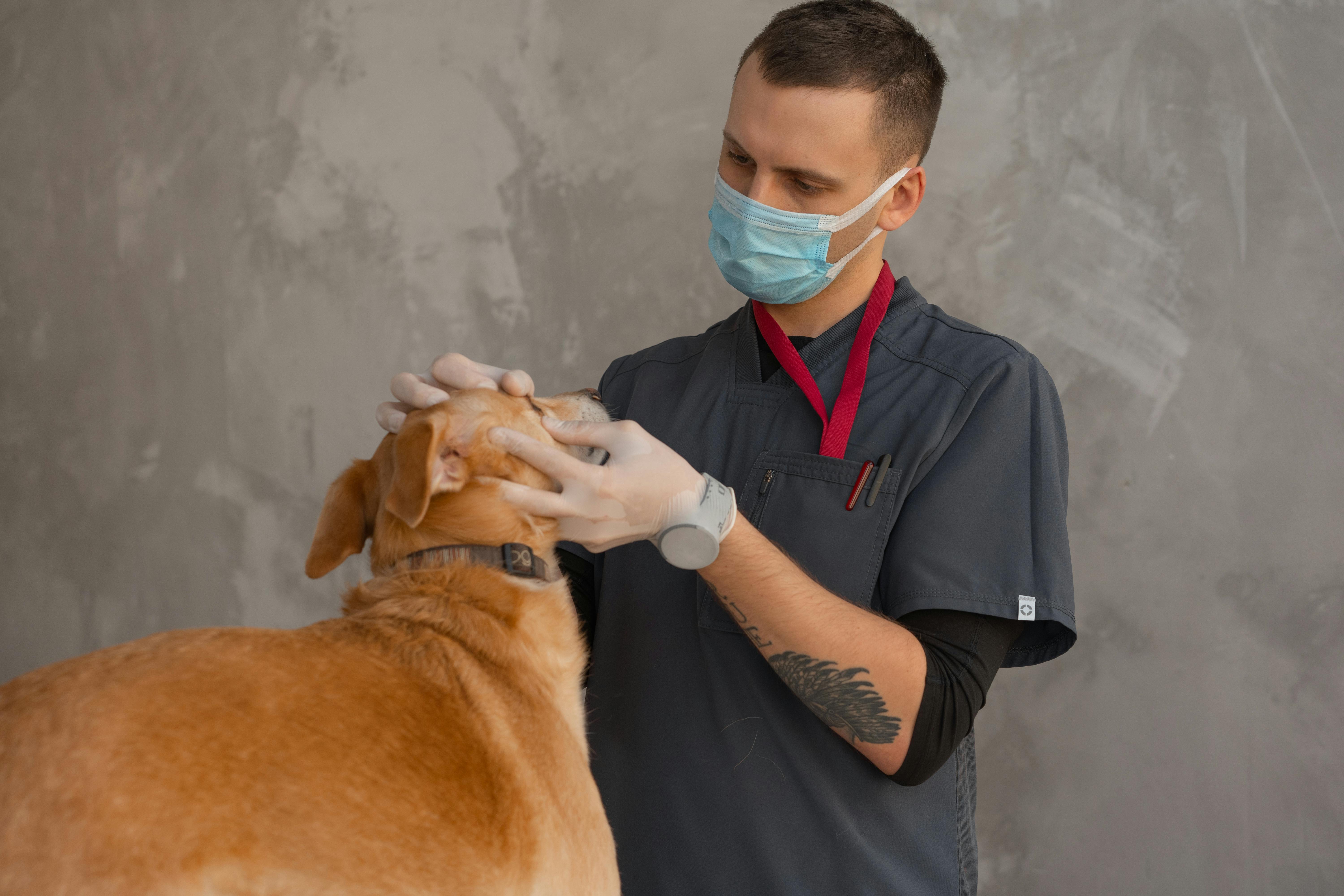
For persistent paw licking, redness, or swelling, it is important to seek professional advice. Muddy conditions can sometimes lead to minor abrasions, yeast infections, or even exposure to road salts and chemicals left over from winter. If your pet shows signs of discomfort or you notice a change in their paw pads, a veterinary examination can help identify and treat any underlying issues promptly. Our dermatology services are designed to address a wide range of skin and paw concerns, ensuring your pet’s feet stay healthy throughout the season.
In more severe cases, such as cracked pads or sores that do not heal, our veterinary professionals may recommend topical treatments, medicated foot soaks, or protective booties for outdoor walks. These interventions, combined with regular check-ups, support your pet’s comfort while allowing them to enjoy the outdoors safely.
Tackling Shedding: Keeping Coats Healthy in Spring
Shedding is a normal part of your pet’s life, but there are many ways to manage it and keep your home cleaner. Regular brushing is the most effective method for removing loose hair and preventing mats, especially in breeds with thick undercoats. Choosing the right brush for your pet’s coat type makes a difference; slicker brushes or deshedding tools work well for double-coated breeds, while rubber curry brushes are perfect for short-haired pets.
Bathing your pet every few weeks with a gentle, pet-safe shampoo can help loosen dead hair and keep the skin healthy, but be careful not to over-bathe, as this can dry out the skin. If you notice dandruff, persistent odor, or signs of skin irritation, it may be time to consult with our veterinary team for advice or a skin health assessment.
Nutrition also plays a key role in coat quality and shedding. Ensuring your pet receives a balanced diet with adequate omega-3 fatty acids supports healthy skin and fur. If you have concerns about your pet’s nutrition, our veterinarians can discuss appropriate dietary options and supplements tailored to your pet’s needs.
For pets who continue to shed excessively or show signs of hair loss, a wellness examination may be recommended to rule out underlying medical conditions such as hormonal imbalances, allergies, or skin infections. Our in-house laboratory allows us to quickly assess your pet’s health and recommend targeted solutions to keep them comfortable all season long.
Prevention and Home Care Tips for a Cleaner, Healthier Spring
Staying ahead of the mess is easier with a proactive approach. Establishing a routine for paw cleaning after every walk helps prevent mud from accumulating in your home. Consider setting up a designated pet entryway with towels, wipes, and a mat to catch dirt before it spreads. Regular grooming sessions, whether at home or with a professional, ensure that shedding is kept under control and your pet’s coat remains healthy.
Vacuuming and washing pet bedding frequently can help reduce the amount of loose fur in your home. Providing your pet with high-quality food and regular exercise also contributes to a shiny, resilient coat and overall wellbeing. For outdoor pets, checking paws for debris or injury after playtime can catch problems early before they become more serious.
If you have questions about the best grooming tools, shampoos, or nutrition for your pet’s unique needs, our veterinary professionals are always happy to provide personalized recommendations during your next visit.
When Should You Schedule a Veterinary Visit for Springtime Paw or Coat Issues?
While muddy paws and increased shedding are often harmless signs of the season, there are situations where a veterinary visit is the best course of action. If your pet’s paws appear red, swollen, or cracked, or if you see persistent licking that leads to sores, it is time to seek professional guidance. Similarly, shedding that results in bald spots, open sores, or extreme discomfort should be evaluated by a veterinarian.
If you notice other symptoms such as persistent scratching, changes in appetite, lethargy, or signs of infection like odor, discharge, or bleeding, prompt attention is warranted. These signs may indicate underlying conditions such as allergies, infections, or more serious health concerns that benefit from early intervention. Our team at Bergen Veterinary Hospital can perform a thorough examination and recommend the appropriate diagnostic tests or treatments, including allergy testing and dermatology care.
Remember, regular check-ups and preventive care help us catch potential issues before they become major problems. Spring is an excellent time to schedule your pet’s annual wellness examination and discuss any seasonal concerns with our veterinarians.
Supporting You and Your Pet This Spring at Bergen Veterinary Hospital
As spring unfolds in Teaneck and surrounding communities, muddy paws and shedding do not have to be sources of stress for you or your pet. By understanding normal seasonal changes, staying proactive with at-home care, and knowing when to reach out for veterinary support, you can keep your companion healthy and your home comfortable. Our compassionate team at Bergen Veterinary Hospital is here to support you every step of the way, offering comprehensive services ranging from dermatology to wellness examinations.
If you notice any concerning changes in your pet’s skin, coat, or paws, or if you are looking for personalized advice on grooming and nutrition, we invite you to schedule an appointment. You can reach our veterinary professionals at (201) 837-3470 or visit us at 1154 Teaneck Rd, Teaneck, NJ 07666. For those searching for a veterinarian near me, trust that our team is dedicated to providing the highest standard of care for pets in Teaneck and the nearby area. Let us help your furry friend enjoy a happy, healthy spring season—muddy paws and all.
If you are ready to address your pet’s seasonal needs, explore our wellness examination and dermatology services or call us today to set up a visit. Your pet’s wellbeing is our top priority, and we look forward to being part of your family’s springtime adventures.