How to Prevent Spring Parasites in Teaneck Pets


How to Prevent Spring Parasites in Teaneck Pets
As spring brings longer days and warmer weather to Teaneck, many pet owners look forward to more time outdoors with their furry friends. However, this season also marks the return of ticks, fleas, and mosquitoes—common parasites that can threaten your pet’s health. At Bergen Veterinary Hospital, located at 1154 Teaneck Rd, Teaneck, NJ 07666, our veterinary team is dedicated to helping you protect your dog or cat from these seasonal risks. In this blog, we’ll explain how to spot the signs of parasites, what causes infestations, how our comprehensive approach keeps pets safe, and which simple steps you can take at home to prevent unwanted guests. You’ll also learn when it’s time to schedule a visit with our veterinarians for professional help, ensuring peace of mind for every pet family in Teaneck and surrounding communities.
Recognizing Spring Parasites: What Every Teaneck Pet Owner Should Know
Springtime in Teaneck creates the perfect environment for parasites to thrive. Ticks become more active as temperatures rise, hiding in tall grass or wooded areas where your dog might walk or your cat might explore. Fleas begin to hatch in greater numbers, infesting yards, parks, and even indoor spaces. Mosquitoes, which transmit heartworm disease, multiply quickly with increased rainfall and standing water.
The first step in protecting your pet is knowing the symptoms of a parasite problem. Common signs include persistent scratching or biting at the skin, visible redness, hair loss, or tiny black specks in your pet’s fur—often referred to as flea dirt. If you notice a small lump attached to your pet, this could be a tick. Dogs with heartworm disease may start coughing, become lethargic, or show reduced appetite, while cats might display subtle symptoms such as vomiting or weight loss. Early recognition allows for faster intervention and a better outcome for your pet’s health.
Why Are Parasites a Spring Problem in Teaneck?
Understanding why parasites emerge in spring can help you anticipate and minimize risks. Warmer temperatures and increased humidity create ideal breeding conditions for fleas and mosquitoes. Ticks awaken from winter dormancy, seeking hosts like dogs, cats, and even humans. In Teaneck and the greater Bergen County area, our mix of suburban backyards, wooded parks, and local wildlife means parasites have ample opportunities to multiply.
During spring, pets spend more time outdoors, increasing their exposure to these pests. Wildlife such as squirrels, raccoons, and deer can carry ticks and fleas into your yard, while mosquitoes breed in even small amounts of standing water—think flowerpots, birdbaths, or clogged gutters. Unlike some regions with dry springs, our local climate means these parasites remain active and pose a real threat as soon as the weather warms. This makes preventive care from a trusted veterinary team even more essential.
How Our Veterinarians Diagnose and Manage Parasite Problems
At Bergen Veterinary Hospital, we believe in proactive, comprehensive care to keep your pets parasite-free. Our approach combines thorough wellness evaluations, advanced diagnostic tools, and tailored treatment plans to address both prevention and early intervention.
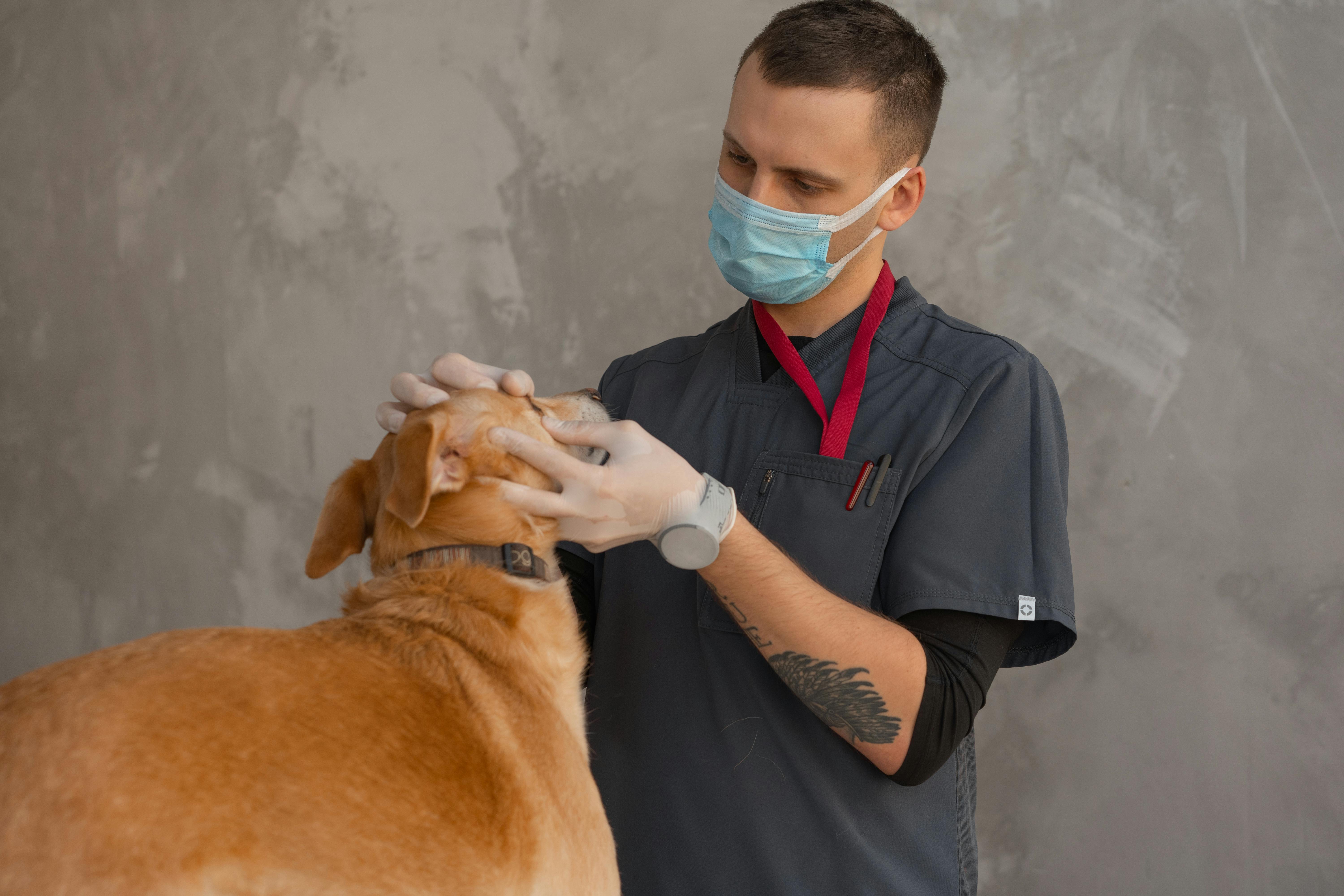
When you bring your pet in for a wellness examination, our veterinarians will check for any signs of external parasites such as fleas or ticks, carefully examining the skin and coat. If your pet is at risk for heartworm, we recommend regular heartworm testing to detect the disease before it causes serious harm. Our in-house laboratory ensures fast results, so we can quickly develop a plan if your pet needs treatment.
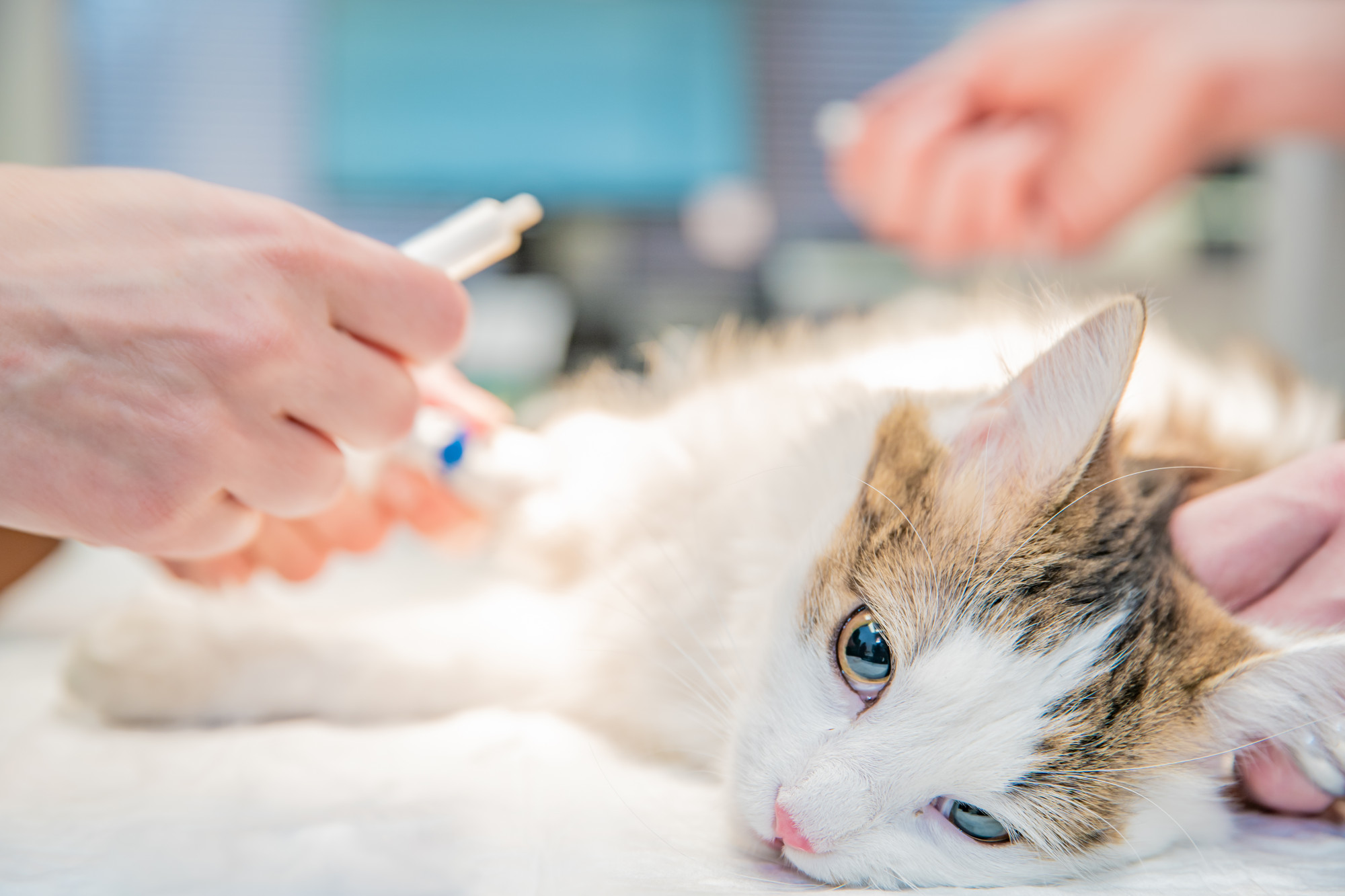
Treatment options may include prescription flea and tick preventives, oral or topical medications, or injections for heartworm prevention. In cases where pets show signs of infestation, our veterinary professionals may recommend medicated baths, environmental control strategies, or additional support if any complications arise. For pets with existing health concerns, our team can customize a plan that works in harmony with other treatments.
Our commitment extends to education, ensuring you understand the risks in our area, the most effective products for your pet’s lifestyle, and how to monitor for ongoing issues at home. By partnering with our veterinary team, you gain access to the latest knowledge and resources designed for Teaneck’s unique environment.
Simple Steps You Can Take to Prevent Parasites at Home
While professional veterinary care is the cornerstone of parasite prevention, there are important steps you can take at home to further safeguard your pet. Regularly check your dog or cat’s coat for fleas, ticks, or signs of irritation, especially after outdoor activities. Grooming your pet with a fine-toothed comb helps spot problems early. Wash bedding, toys, and collars in hot water to remove any flea eggs or larvae that may be hiding.
Keep your yard tidy by mowing grass, removing leaf litter, and trimming shrubs where ticks like to hide. Eliminate standing water around your home to reduce mosquito breeding sites. If your pet spends time in wooded areas or tall grasses, consider limiting their exposure during peak tick season or using veterinarian-recommended preventive products.
Applying flea, tick, and heartworm preventives year-round is one of the most effective ways to keep your pet safe. Our veterinarians can guide you in choosing the right product and frequency based on your pet’s age, breed, and health status. Consistency is key; missing even a single dose can leave your pet vulnerable to infestation.
If you have recently adopted a new pet or moved to Teaneck, schedule a comprehensive pet exam with our veterinary team. Early evaluation ensures your new companion starts off protected and healthy.
When to Seek Veterinary Care for Parasite Issues
Knowing when to consult your veterinarian is vital for your pet’s wellbeing. If you notice symptoms such as persistent scratching, hair loss, visible fleas or ticks, or unusual behavior, it’s time to schedule an appointment. Flea infestations can quickly escalate, leading to skin infections or allergic reactions, while ticks may transmit diseases like Lyme or ehrlichiosis.
Heartworm disease is especially concerning, as symptoms can be subtle until the condition becomes advanced. Regular heartworm testing is the best way to catch this disease early, even if your pet seems healthy. If your dog begins coughing, seems unusually tired after mild exercise, or loses their appetite, prompt veterinary care is essential.
Cats are also at risk for parasites, though their symptoms can be more difficult to spot. Watch for changes in grooming habits, unexplained weight loss, or vomiting. If you see a tick attached to your cat or notice signs of distress, contact our veterinary professionals right away.
Never attempt to treat a suspected parasite problem on your own without veterinary guidance. Over-the-counter remedies may not be effective or safe for every pet, and some products can even be toxic if misused. Our veterinarians are here to provide safe, effective solutions tailored to your pet’s needs.
Protect Your Pet This Spring: Schedule a Parasite Check Today
Spring in Teaneck should be a season of fun, not worry. By staying vigilant, partnering with our experienced veterinary team, and maintaining year-round preventive care, you can keep your pet healthy and parasite-free. Whether you need advice on the best flea and tick products, want to start a heartworm prevention plan, or have questions about your pet’s risk, Bergen Veterinary Hospital is here to help.
If you are searching for a trusted "vet near me" in Teaneck, our compassionate team is ready to support your pet’s wellbeing at every stage of life. Don’t wait for problems to arise; schedule your pet’s parasite check or wellness examination today. For more information about heartworm protection, visit our heartworm testing page, or call us at (201) 837-3470 to book an appointment. Let us be your partner in keeping your pet happy, healthy, and safe every season.
This blog is intended for informational purposes only and should not be used as a substitute for professional veterinary advice. Always consult your veterinarian for concerns about your pet’s health or before starting any new treatment or preventive regimen.